Category: Investing

Discover investment strategies, stock market insights, ETFs, dividend investing, and portfolio management for every investor.

  • Asset Allocation Strategy: Build a Portfolio That Lasts

    Asset Allocation Strategy: Build a Portfolio That Lasts

    What Is Asset Allocation and Why Does It Define Your Financial Future?

    According to a landmark study by Brinson, Hood, and Beebower — widely cited by Vanguard and Morningstar — asset allocation explains more than 90% of the variation in a portfolio’s long-term returns. Yet most investors spend the majority of their time trying to pick individual stocks, chasing the next hot fund, or timing the market.

    That’s the wrong game to play.

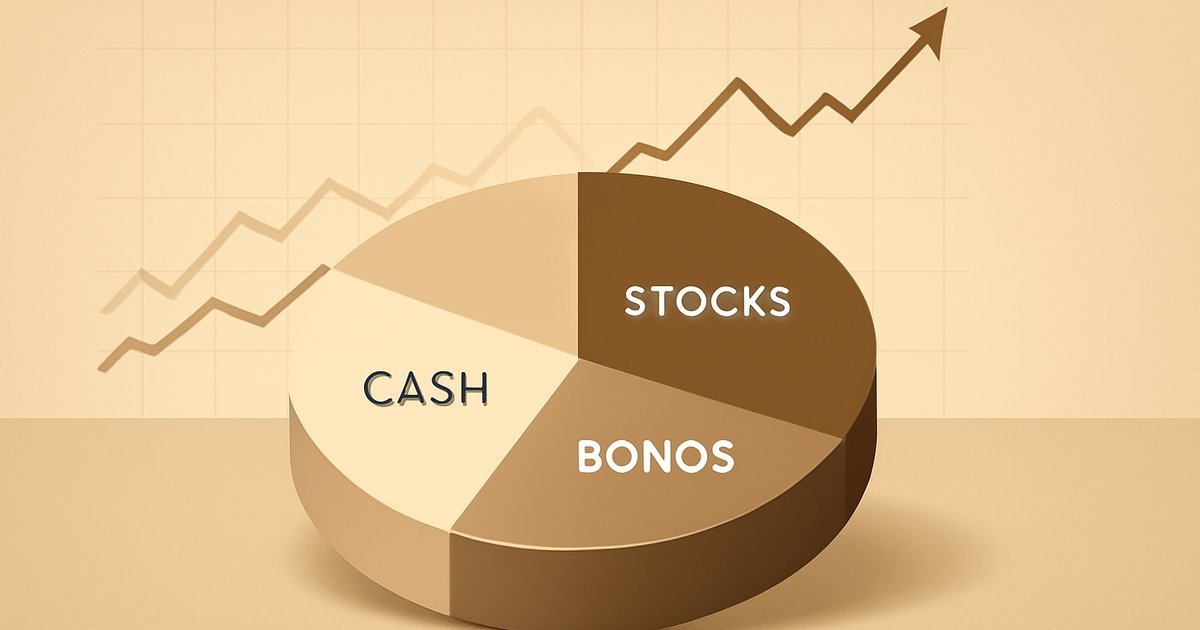
    Asset allocation is the strategy of dividing your investment portfolio among different asset categories — primarily stocks, bonds, and cash — in proportions that match your financial goals, risk tolerance, and time horizon. It’s not glamorous. It won’t go viral on social media. But it’s the single most powerful lever you control as an investor.

    In this guide, you’ll learn exactly how asset allocation works, how to build a strategy that fits your life, what common mistakes cost investors thousands of dollars, and how to adjust your mix as you age. Whether you’re 35 and just starting to build wealth or 58 and approaching retirement, this framework applies to you.

    How Asset Allocation Works: The Core Mechanics

    At its most basic level, asset allocation is about not putting all your eggs in one basket — but with a strategic rationale behind the basket choices, not just random diversification.

    The three main asset classes behave differently under various market conditions:

    • Stocks (equities): Higher long-term return potential, higher short-term volatility. The S&P 500 has delivered an average annual return of roughly 10% before inflation over the past century, according to data from Morningstar — but with years like 2008 (-37%) mixed in.
    • Bonds (fixed income): Lower return potential but more stability. Bonds tend to cushion portfolios when stocks fall. U.S. Treasury bonds are backed by the federal government and carry minimal default risk.
    • Cash and equivalents: Money market funds, CDs, and Treasury bills. Very low risk, very low return — but essential for liquidity and capital preservation.

    Beyond these three, many portfolios also include real estate investment trusts (REITs), international stocks, and commodities as additional diversification layers.

    The key insight: because these asset classes don’t move in perfect lockstep, combining them in the right proportions can reduce your overall portfolio risk without proportionally reducing your expected return. That’s the mathematical magic of diversification, formalized by Nobel laureate Harry Markowitz in his Modern Portfolio Theory.

    The Federal Reserve’s 2025 Survey of Consumer Finances found that households with diversified investment portfolios accumulated significantly more wealth over 20-year periods than those concentrated in a single asset class — reinforcing what the academic research has shown for decades.

    Key Benefits of a Disciplined Asset Allocation Strategy

    Understanding why asset allocation works in practice — not just in theory — helps you stick with it when markets get turbulent.

    1. It Manages Risk Without Eliminating Growth

    A portfolio of 100% stocks maximizes long-term growth potential but can drop 40-50% in a severe bear market. For a 55-year-old with $600,000 saved, that’s a $240,000-$300,000 paper loss — terrifying enough to cause panic selling at exactly the wrong time. A 60/40 portfolio (60% stocks, 40% bonds) historically softened those drawdowns to roughly 20-25% while still generating solid long-term gains.

    2. It Forces Disciplined Rebalancing

    When you have a target allocation, market movements will drift your portfolio away from it over time. Rebalancing — selling what’s grown and buying what’s lagged — enforces the discipline of "buy low, sell high" systematically. According to Vanguard research, disciplined rebalancing can add roughly 0.35% in annual returns over time compared to an unmanaged portfolio.

    3. It Aligns Your Portfolio With Your Real Life

    A 32-year-old software engineer saving for retirement 30 years away has a completely different risk profile than a 61-year-old planning to retire in four years. Asset allocation gives you a framework to match your investment risk to your actual life circumstances — not just generic advice.

    4. It Reduces Emotional Decision-Making

    When you have a written asset allocation policy, market volatility becomes a trigger for systematic action (rebalancing) rather than panic. This is one of the most underrated benefits — the behavioral finance research from Dalbar consistently shows that the average investor significantly underperforms the market they’re invested in because of emotional timing decisions.

    How to Build Your Asset Allocation Strategy: Step-by-Step

    Building your allocation isn’t a one-size-fits-all exercise. Here’s how to approach it systematically:

    Step 1: Define Your Time Horizon

    How many years until you need the money? For retirement accounts, this is usually the distance to age 65-70. Money you’ll need in under 5 years should be in conservative allocations. Money you won’t touch for 20+ years can tolerate much more stock exposure.

    Step 2: Assess Your Risk Tolerance — Honestly

    Risk tolerance has two components: your financial ability to absorb losses (based on income, savings, and time horizon) and your emotional ability to sleep at night during a bear market. Ask yourself: "If my portfolio dropped 30% in 12 months, would I stay the course or sell?" Be brutally honest.

    Step 3: Choose a Starting Allocation Model

    These are widely used starting frameworks — not rigid prescriptions:

    • Aggressive (80-100% stocks): Best for investors 35 and under with 25+ years to retirement and high risk tolerance.
    • Moderate-Aggressive (70/30): Suitable for investors in their 40s with strong income and 20+ year horizons.
    • Moderate (60/40): The classic balanced portfolio — appropriate for many investors in their 50s approaching retirement.
    • Conservative (40/60 or 30/70): For investors within 5-10 years of retirement or those with lower risk tolerance at any age.

    Step 4: Diversify Within Each Asset Class

    Don’t just hold "stocks" — diversify within stocks by holding U.S. large-cap, U.S. small-cap, international developed markets, and emerging markets. Within bonds, consider a mix of short-term and intermediate-term Treasuries, investment-grade corporate bonds, and possibly TIPS (Treasury Inflation-Protected Securities) to hedge inflation.

    Step 5: Implement With Low-Cost Index Funds or ETFs

    For most investors, low-cost index funds and ETFs are the most efficient way to implement an asset allocation strategy. According to the ICI (Investment Company Institute), the average expense ratio for index funds has fallen to around 0.05-0.20%, compared to 0.60-1.00%+ for actively managed funds. Over 30 years, that fee difference can represent hundreds of thousands of dollars in your pocket.

    For context on ETFs as a vehicle for this strategy, you may find it helpful to review Dollar-Cost Averaging: The Smart Way to Invest Consistently, which pairs naturally with an asset allocation plan.

    Step 6: Schedule Annual Rebalancing

    Set a calendar reminder once per year (or when any asset class drifts more than 5 percentage points from its target) to rebalance. Many 401(k) platforms offer automatic rebalancing — use it.

    Costs, Fees, and Risks You Need to Understand

    No investment strategy is free of costs or risks. Here’s what to watch for:

    Expense Ratios and Fund Fees

    Every fund charges an annual expense ratio. Even a 1% fee seems small but compounds dramatically — on a $500,000 portfolio, a 1% annual fee costs you $5,000 per year and potentially $150,000+ over 20 years compared to a 0.05% index fund. Always check the expense ratio before investing in any fund.

    Tax Drag from Rebalancing in Taxable Accounts

    Rebalancing in a taxable brokerage account can trigger capital gains taxes. The IRS taxes short-term capital gains (assets held under one year) as ordinary income — potentially up to 37% depending on your tax bracket. Long-term capital gains rates are more favorable (0%, 15%, or 20%). Strategy: prioritize rebalancing inside tax-advantaged accounts like your 401(k) or IRA first.

    Sequence-of-Returns Risk

    This is especially critical for investors near retirement. If the market crashes in the first few years of your retirement and you’re withdrawing funds, the combination of market losses and withdrawals can permanently impair your portfolio — even if markets eventually recover. A more conservative allocation as you approach retirement helps manage this risk.

    Inflation Risk in Conservative Portfolios

    Holding too much in bonds or cash carries its own risk: inflation erosion. With the CPI averaging around 2-3% historically (though higher in recent years), a portfolio yielding less than inflation loses purchasing power over time. This is why most financial planners recommend maintaining meaningful stock exposure even in retirement.

    Common Asset Allocation Mistakes to Avoid

    These errors are surprisingly common — and surprisingly costly:

    Mistake 1: Setting It and Forgetting It Without Rebalancing

    If you set a 70/30 allocation in 2019 and never rebalanced, the bull market likely pushed you to 85/15 or higher by 2022 — taking on far more risk than you intended, right before a volatile period. Rebalancing isn’t optional maintenance. It’s core to the strategy.

    Mistake 2: Confusing Account-Level Allocation With Total Portfolio Allocation

    Many investors look at each account — their 401(k), their Roth IRA, their taxable brokerage — in isolation. You need to look at your total asset allocation across all accounts. If your 401(k) is 80% stocks and your Roth IRA is also 80% stocks, you’re not as diversified as you think even if the accounts look different on paper.

    Mistake 3: Letting Fear or Greed Override Your Written Plan

    Selling stocks during a market crash and "waiting for things to stabilize" is one of the most expensive moves an investor can make. According to JP Morgan’s annual Guide to the Markets, missing just the 10 best trading days in the S&P 500 over a 20-year period cuts your total return nearly in half. Your written asset allocation plan is your defense against this impulse.

    Mistake 4: Ignoring the Bond Side of the Portfolio

    Many younger investors dismiss bonds entirely as "boring." While aggressive stock allocations make sense for long horizons, having zero bonds means your portfolio could drop 40-50% in a severe bear market with no cushion — potentially forcing you to sell equities at the worst time if you need cash.

    Mistake 5: Not Adjusting Allocation as You Age

    Your risk tolerance and time horizon change over time. A 60% stock allocation at 35 is quite aggressive; at 62 with retirement three years away, it may be dangerously so. Most financial planners recommend gradually shifting toward a more conservative allocation in the 10-15 years before retirement. Target-date funds do this automatically, which is part of their appeal for hands-off investors.

    Alternatives to Consider

    Asset allocation is a strategy, not a single product. Here are a few ways to implement it depending on your situation:

    Target-Date Funds

    Pros: Automatic, hands-off, built-in diversification and rebalancing. Glide path automatically becomes more conservative as you approach retirement. Low cost at major providers like Vanguard and Fidelity (expense ratios often 0.10-0.15%).
    Cons: One-size-fits-all — doesn’t account for your specific risk tolerance, pension income, or other assets. Less tax-efficient in taxable accounts.

    Best for: Investors who want set-it-and-forget-it simplicity, especially inside 401(k) accounts.

    Robo-Advisors

    Pros: Personalized risk questionnaire, automatic rebalancing, tax-loss harvesting (at many providers), low minimum investments. Annual fees typically 0.25-0.50%.
    Cons: Less flexibility than self-directed investing. Fee adds up over time on large portfolios.

    Best for: Investors who want automation with a bit more personalization than target-date funds offer.

    DIY Three-Fund Portfolio

    Pros: Maximum simplicity and low cost. A classic three-fund portfolio (U.S. total market index, international index, U.S. bond index) gives you broad diversification in just three holdings.
    Cons: Requires you to manually rebalance and adjust allocation over time.

    Best for: Cost-conscious, disciplined investors comfortable with a hands-on approach.

    If you’re also thinking about how to grow wealth outside of your investment portfolio, you might explore Bond Ladder Strategy: How to Build Steady Income as a complementary income approach.

    Frequently Asked Questions

    What is the best asset allocation for someone in their 40s?

    There’s no single "best" answer, but a common starting point for a 40-year-old with a 25-year retirement horizon is a 70/30 or 80/20 stock-to-bond split. Your specific income stability, pension benefits, risk tolerance, and other savings will all affect the right mix. Generally speaking, you still have enough time horizon to absorb stock market volatility while beginning to add some bond exposure for balance.

    How often should I rebalance my portfolio?

    Most financial planners recommend rebalancing annually or whenever an asset class drifts more than 5 percentage points from its target. Rebalancing more frequently than quarterly rarely adds value and can increase transaction costs and tax events in taxable accounts.

    Can I use asset allocation inside my 401(k)?

    Absolutely — and your 401(k) is often the best place to start because you can rebalance without triggering taxable events. Most 401(k) platforms offer automatic rebalancing options and a range of index funds across different asset classes. Review your fund lineup and build your target allocation using the lowest-cost options available.

    What happens to my asset allocation when I retire?

    In retirement, the general principle is to shift toward a more conservative allocation to protect against sequence-of-returns risk — the danger that a market crash early in retirement, combined with portfolio withdrawals, could permanently impair your savings. Many financial planners use the "bucket strategy," keeping 1-2 years of expenses in cash, 3-7 years in bonds, and the remainder in stocks for long-term growth.

    Is a 60/40 portfolio still relevant today?

    The 60/40 portfolio (60% stocks, 40% bonds) came under scrutiny in 2022 when both stocks and bonds fell simultaneously — an unusual correlation event. However, over longer periods, bonds still provide meaningful portfolio diversification. Many advisors now suggest variations like 60/30/10 (adding 10% alternatives such as REITs or commodities) to enhance diversification. The core principle of multi-asset diversification remains as relevant as ever.

    Building Wealth Starts With Getting the Foundation Right

    Asset allocation isn’t the exciting part of investing. It won’t generate dinner party conversation. But it is, according to decades of academic research and real-world data, the most important investment decision you’ll make.

    Start by defining your time horizon and honestly assessing your risk tolerance. Choose an allocation model that reflects your actual situation — not just your best-case scenario. Implement it with low-cost index funds or ETFs. Rebalance annually. And adjust gradually as you age.

    That’s the entire framework. Its power comes from consistency and discipline, not complexity.

    If you’re also building out your broader financial plan, consider reviewing Dollar-Cost Averaging: The Smart Way to Invest Consistently — a strategy that pairs naturally with a sound asset allocation plan.

    This article is for educational purposes only and does not constitute financial, tax, or investment advice. Always consult a licensed financial advisor, CPA, or attorney before making financial decisions.
  • Bond Ladder Strategy: How to Build Steady Income

    Bond Ladder Strategy: How to Build Steady Income

    Bond Ladder Strategy: How to Build Steady Income

    Learn how a bond ladder can generate predictable cash flow and reduce interest rate risk — a strategy used by thousands of retirees and conservative investors across the US.

    Introduction

    According to the Federal Reserve’s 2025 Survey of Consumer Finances, nearly 45% of Americans within a decade of retirement have little to no fixed-income allocation in their portfolios. That’s a significant gap — especially when stock market volatility can wipe out years of gains right when you need stability most.

    If you’re a working professional or small business owner between 40 and 65, you’ve probably asked yourself: How do I generate reliable income without betting everything on the stock market? The bond ladder strategy is one of the most time-tested answers to that question.

    In this guide, you’ll learn exactly what a bond ladder is, how it works in practical terms, what it costs to build one, and the most common mistakes investors make when setting one up. By the end, you’ll know whether this approach fits your financial situation — and how to get started.

    What Is a Bond Ladder and How Does It Work?

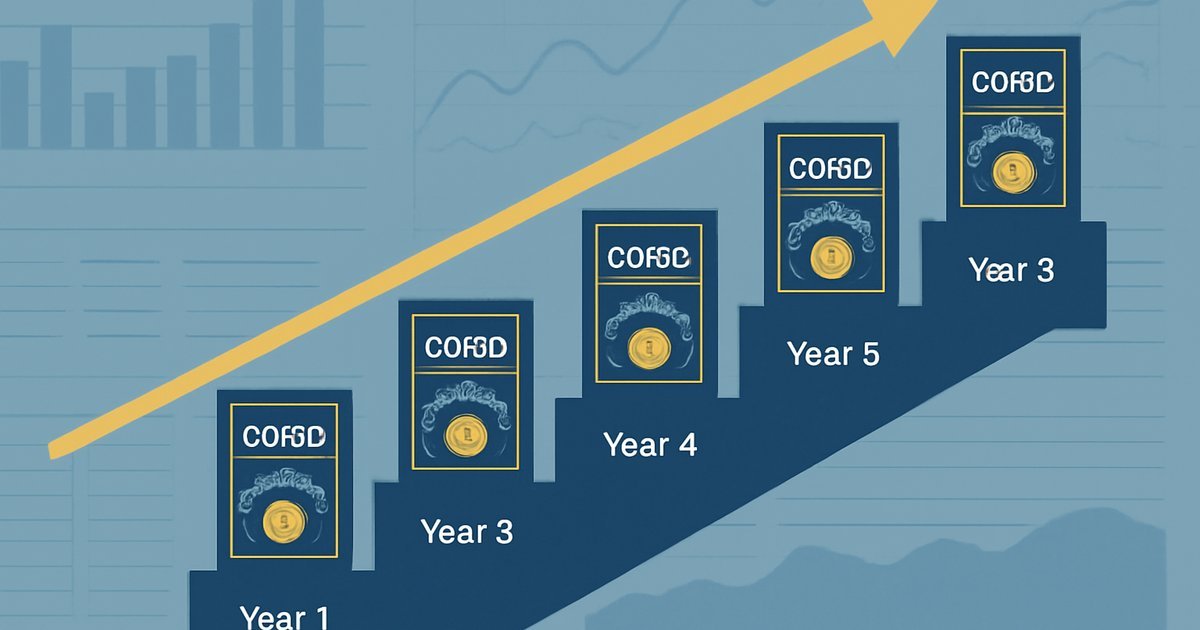
    A bond ladder is an investment strategy where you purchase multiple bonds with staggered maturity dates — for example, bonds maturing in 1 year, 2 years, 3 years, 4 years, and 5 years. As each bond matures, you either spend the proceeds (if you need income) or reinvest them into a new long-term bond at the end of the ladder.

    Think of it like rungs on a ladder. Each rung represents a bond at a different maturity. You’re never fully locked into one interest rate environment, and you always have bonds coming due at regular intervals.

    Who does this apply to? Generally speaking, bond ladders are most useful for:

    • Pre-retirees and retirees who need predictable income
    • Conservative investors uncomfortable with heavy stock market exposure
    • Small business owners who need to park reserves safely
    • Anyone with a specific future cash need (tuition, a home purchase, or a business investment)

    Bonds themselves are essentially loans you make to a government or corporation. In return, the issuer pays you interest — called a coupon — at regular intervals and returns your principal at maturity. The US bond market is the largest in the world, with over $50 trillion in outstanding debt, according to data from the Securities Industry and Financial Markets Association (SIFMA).

    Key Benefits of a Bond Ladder

    The bond ladder strategy offers several concrete advantages over simply buying a single bond or a bond mutual fund — and understanding those differences matters when you’re protecting decades of savings.

    1. Reduces Interest Rate Risk

    When interest rates rise, bond prices fall. If you own a single long-term bond and rates spike, your investment loses value — at least on paper. With a ladder, only a portion of your holdings is exposed to any single rate environment. As shorter-term bonds mature, you reinvest at higher prevailing rates, which actually benefits you over time.

    2. Provides Predictable Cash Flow

    Every rung of your ladder produces income on a known schedule. For retirees, this can replace or supplement Social Security income with guaranteed payouts. According to Vanguard’s fixed-income research, investors who ladder Treasury bonds can generate consistent income streams over 5 to 20 years without relying on fund manager decisions.

    3. Eliminates Fund Manager Risk

    Unlike bond mutual funds, individual bonds in a ladder have a defined maturity date. You get your principal back — period. Bond funds, by contrast, can and do lose value with no guaranteed recovery timeline.

    4. Liquidity at Regular Intervals

    With bonds maturing regularly, you always have access to cash without being forced to sell at a loss. In most cases, this predictability makes financial planning far more manageable — especially in retirement.

    For example, consider Sarah, 58, a former marketing director. She built a $200,000 bond ladder using US Treasuries spread across five years. Every 12 months, $40,000 matures — giving her a reliable cash cushion while her 401(k) stays invested in stocks for growth.

    How to Build a Bond Ladder: Step-by-Step

    Building a bond ladder is more straightforward than most investors expect. Here’s how to do it in plain terms.

    1. Determine your total investment amount. Bond ladders generally work best with at least $50,000 to $100,000, though some platforms allow you to start smaller. Decide how much you want to allocate to fixed income based on your overall asset allocation.
    2. Choose your bond types. You have several options:
      • US Treasury bonds — backed by the full faith and credit of the US government, essentially zero default risk
      • Municipal bonds (munis) — often tax-exempt at the federal level, great for high earners in higher brackets
      • Corporate bonds — higher yields but more risk; investment-grade corporate bonds (rated BBB or higher by S&P) are most common in ladders
      • FDIC-insured CDs (Certificates of Deposit) — a simpler ladder alternative for smaller amounts
    3. Select your time horizon and rung intervals. A typical ladder spans 5 to 10 years with annual maturities. A 5-year ladder might have bonds maturing in 2026, 2027, 2028, 2029, and 2030.
    4. Purchase bonds through a brokerage. Fidelity, Vanguard, Charles Schwab, and TD Ameritrade all offer bond screeners and secondary market access. You can also buy Treasury bonds directly at TreasuryDirect.gov with no fees.
    5. Decide on a reinvestment rule. When a bond matures, will you reinvest at the long end of the ladder or spend the proceeds? Define this in advance so emotions don’t drive the decision during market volatility.
    6. Track coupon payment schedules. Many investors stagger bonds so that coupon payments arrive monthly or quarterly, providing a more consistent income stream rather than semi-annual lump sums.

    If you’re also focused on consistent accumulation strategies, pairing a bond ladder with a dollar-cost averaging approach for your equity allocation can provide a strong balance between growth and stability.

    Costs, Fees, and Risks to Understand

    No strategy is without drawbacks. In most cases, a bond ladder is a low-cost approach — but there are real costs and risks to account for before you commit.

    Transaction Costs and Markups

    When buying bonds on the secondary market through a broker, you often pay a markup — the difference between what the dealer paid and what you pay. These markups can range from 0.5% to 2% of the bond’s face value, according to FINRA data. Always compare prices across brokers or use TreasuryDirect for new Treasury issues to avoid markups entirely.

    Inflation Risk

    If inflation rises significantly, fixed coupon payments lose purchasing power. One solution: include Treasury Inflation-Protected Securities (TIPS) in your ladder. TIPS adjust their principal value with the Consumer Price Index (CPI), providing some inflation protection.

    Default Risk

    Corporate bonds carry default risk — the issuer might not be able to repay you. Sticking to investment-grade bonds (rated BBB- or above) and limiting corporate bonds to no more than 30–40% of your ladder significantly reduces this risk.

    Liquidity Risk

    If you need to sell a bond before it matures, you may get less than face value — particularly if interest rates have risen since you bought it. This is why matching your bond maturities to your actual cash needs is critical.

    Tax Implications

    Interest income from Treasury bonds is subject to federal income tax but exempt from state and local taxes. Municipal bond interest is typically exempt from federal tax. Corporate bond interest is fully taxable. Depending on your tax bracket, the after-tax yield of a muni bond may exceed a higher-yielding corporate bond. Always run the numbers or consult a CPA.

    This is for educational purposes — consult a licensed financial advisor for personalized guidance specific to your tax situation and income level.

    Common Mistakes to Avoid

    Even a well-designed bond ladder can underperform or cause headaches if you make these common errors.

    Mistake 1: Ignoring Credit Quality

    Chasing yield by buying low-rated bonds (BB or below — so-called "junk bonds") can work in certain economic conditions, but it introduces significant default risk into what’s supposed to be a stable strategy. In most cases, a bond ladder should be anchored in investment-grade securities.

    Mistake 2: Not Matching Maturities to Cash Needs

    If you build a 10-year ladder but need significant cash in year 3 for a home purchase or medical expense, you may be forced to sell bonds at a loss. Before building your ladder, map out your expected financial needs for each year of the ladder’s duration.

    Mistake 3: Over-concentrating in One Issuer

    Some investors buy multiple bonds from the same corporation to get consistent higher yields. If that company faces financial trouble, multiple rungs of your ladder could be at risk simultaneously. Diversify across issuers and sectors.

    Mistake 4: Forgetting to Reinvest Strategically

    When a bond matures, many investors simply let the cash sit in a money market account indefinitely. This defeats the purpose of the ladder. Set a reminder or automatic reinvestment rule to keep the strategy working for you.

    Mistake 5: Underestimating Inflation’s Erosion

    A 4% yield sounds solid — until inflation runs at 5%. Over a 10-year ladder, this gap can meaningfully reduce your real purchasing power. Consider mixing in TIPS or I-Bonds (US Savings Bonds with inflation adjustments) to hedge this risk.

    Alternatives to Consider

    A bond ladder isn’t the only way to generate fixed income. Depending on your situation, one of these alternatives might suit you better — or work alongside a ladder.

    1. Bond Mutual Funds or ETFs

    Pros: Instant diversification, easy to manage, low minimums, highly liquid.
    Cons: No guaranteed maturity date or principal return; fund value fluctuates daily; less control over individual holdings.
    Best for: Beginners or those with smaller portfolios who want broad fixed-income exposure without managing individual bonds. For more on ETFs, you can explore real estate income investing as a complementary strategy.

    2. High-Yield Savings Accounts and CDs

    Pros: FDIC-insured up to $250,000 per depositor, simple to set up, predictable returns.
    Cons: Yields are typically lower than bonds, especially for longer-term CDs; interest is fully taxable.
    Best for: Investors who want a simpler version of the ladder concept with lower minimums and no broker required.

    3. Annuities (Fixed or Fixed-Indexed)

    Pros: Can guarantee income for life, useful for longevity planning in retirement.
    Cons: Complex product structures, high surrender charges, and often significant insurance company fees. Generally speaking, these products require careful evaluation by a licensed advisor before purchase.
    Best for: Retirees who want income they literally cannot outlive and who have already maxed out other retirement vehicles.

    Frequently Asked Questions

    How much money do I need to start a bond ladder?

    You can start with as little as $1,000 using CDs or I-Bonds from TreasuryDirect.gov, but a traditional Treasury or corporate bond ladder typically requires $50,000 to $100,000 to build meaningful diversification across maturities. For smaller amounts, a short-term bond ETF may be more practical.

    Are bond ladders good for retirement income?

    Yes — in most cases, bond ladders are an excellent complement to Social Security and 401(k) withdrawals in retirement. They provide predictable cash flow and eliminate the risk of being forced to sell stocks during market downturns to cover expenses.

    What’s the best type of bond for a ladder?

    US Treasury bonds and TIPS are the most common choices because they carry no default risk. For investors in higher tax brackets (32% or above), municipal bonds may offer better after-tax yields. Corporate bonds can boost returns but add risk — stick to investment-grade if you include them.

    What happens if interest rates rise after I build my ladder?

    Rising rates will reduce the market value of your existing bonds, but this doesn’t matter if you hold them to maturity — you’ll still receive your full principal back. Meanwhile, as shorter-term bonds mature, you reinvest at higher rates, which actually benefits you over time.

    Can I build a bond ladder inside a Roth IRA or 401(k)?

    Yes. Building a bond ladder inside a tax-advantaged account like a Roth IRA or traditional IRA shields coupon payments from annual taxation — a significant benefit, especially for corporate bonds. However, IRS contribution limits apply to these accounts, and you’d be using funds already inside the account to purchase the bonds.

    Conclusion

    A bond ladder is one of the most disciplined, transparent, and time-tested strategies for generating reliable income from your portfolio. It doesn’t promise outsized returns — and that’s exactly the point. It gives you predictability, protection from interest rate swings, and flexibility when life gets expensive.

    If you’re within 10 to 15 years of retirement or simply need a portion of your portfolio to behave with more certainty, building even a modest ladder of US Treasuries is a concrete first step worth taking. Start by mapping out your cash needs over the next five years, then explore TreasuryDirect.gov or a major brokerage’s bond screener to price out your first rungs.

    As always, your specific tax bracket, income needs, and overall financial picture will shape how a bond ladder should look for you. Working with a licensed financial advisor or CPA is the best way to tailor this strategy to your situation.

    Financial Disclaimer: This article is for educational purposes only and does not constitute financial, tax, or investment advice. Always consult a licensed financial advisor, CPA, or attorney before making financial decisions.

  • Dollar-Cost Averaging: The Smart Way to Invest Consistently

    Dollar-Cost Averaging: The Smart Way to Invest Consistently

    What Is Dollar-Cost Averaging and How Does It Work?

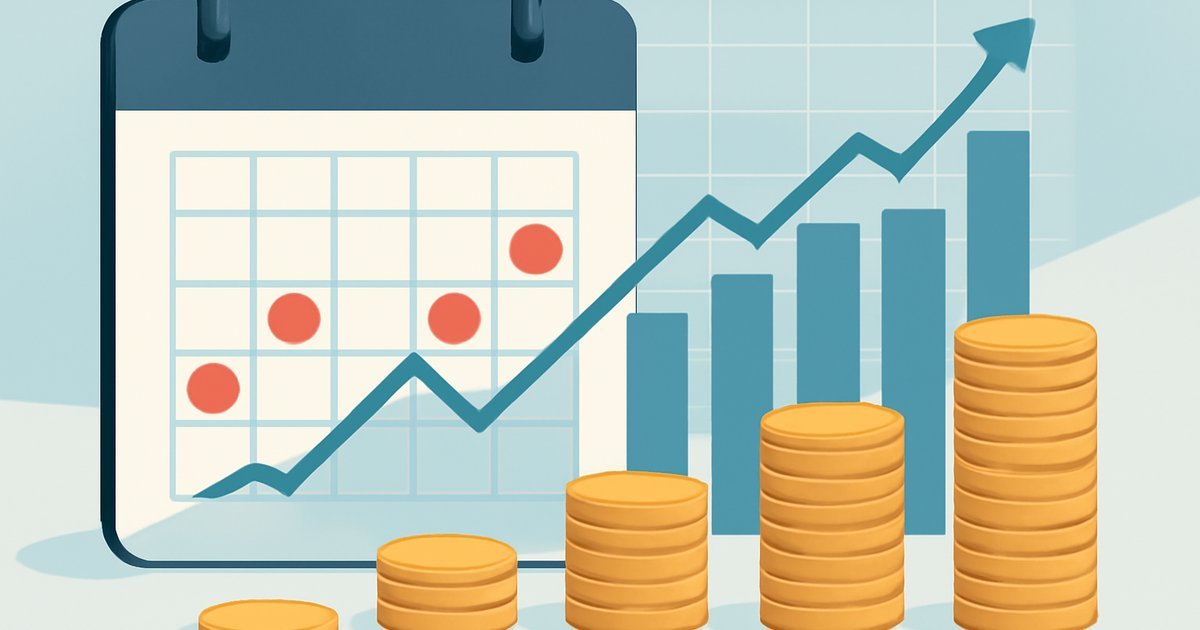
    Dollar-cost averaging (DCA) is an investment strategy where you invest a fixed dollar amount at regular intervals — weekly, biweekly, or monthly — regardless of what the market is doing. Instead of trying to time the market perfectly, you buy consistently over time.

    Here’s how it plays out in practice: suppose you invest $300 every month into an S&P 500 index fund. Some months, the fund is up and your $300 buys fewer shares. Other months, the market dips and your $300 stretches further, buying more shares at a lower price. Over time, your average cost per share tends to smooth out — reducing the risk of making one large investment right before a downturn.

    This strategy applies to virtually any investor who contributes regularly to a 401(k), Roth IRA, or taxable brokerage account. If you’ve ever had money automatically deducted from your paycheck into a retirement plan, you’ve already been using dollar-cost averaging — you just may not have known it by name.

    The core idea is simple: consistency beats timing. According to research from Vanguard, trying to time the market successfully over long periods is extremely difficult even for professional investors, making DCA a practical and psychologically sound alternative for most working Americans.

    Key Benefits of Dollar-Cost Averaging

    According to a 2024 Gallup survey, nearly 61% of Americans report owning stock — but a far smaller percentage invest with any kind of systematic strategy. Dollar-cost averaging offers several concrete advantages that make it especially well-suited for the average investor.

    1. Reduces Emotional Decision-Making

    Market volatility triggers fear. When the S&P 500 dropped roughly 25% in 2022, many investors panic-sold at a loss. DCA removes the emotional element by automating your investment schedule. You invest the same amount on the same date, no matter what the headlines say.

    2. Lowers Your Average Cost Per Share

    Because you buy more shares when prices are low and fewer when prices are high, your average cost per share can end up lower than if you had invested a lump sum at a single, potentially unfavorable price point. This is the mathematical core of the strategy.

    3. Accessible on Any Budget

    You don’t need $50,000 to get started. Many brokerage platforms — including Fidelity and Charles Schwab — now offer fractional shares and zero-minimum accounts, meaning you can start DCA with as little as $25 or $50 a month. This democratizes investing for people who are still building their income.

    4. Builds Long-Term Wealth Through Compounding

    When you invest $300 a month at an average annual return of 7% (a historically reasonable long-term estimate for diversified stock portfolios, though not guaranteed), you’d have approximately $180,000 after 25 years. The combination of regular contributions and compounding interest is a powerful wealth-building engine over time.

    5. Works in Up and Down Markets

    Unlike lump-sum investing, which is most effective when markets are trending upward immediately after your investment, DCA performs well across different market environments. It doesn’t require you to predict market direction — which is something very few investors do successfully.

    How to Get Started with Dollar-Cost Averaging: Step-by-Step

    Setting up a DCA strategy is straightforward. Here’s a practical roadmap tailored for U.S. investors in their 30s through 60s.

    1. Define your monthly investment amount. Start with what you can afford to invest consistently without disrupting your budget. Even $100 a month is a meaningful start. The key is sustainability — choose an amount you won’t need to stop contributing during a tough month.
    2. Choose an account type. If you have access to a 401(k) through your employer, maximize that first — especially if your employer matches contributions (that’s an immediate 50–100% return on part of your investment). Next, consider a Roth IRA (2026 contribution limit: $7,000, or $8,000 if you’re 50 or older). For additional investing beyond tax-advantaged accounts, a taxable brokerage account works well.
    3. Select your investment vehicle. For most DCA investors, low-cost index funds or ETFs that track broad market indices — like the S&P 500 or total stock market — are the most efficient vehicles. They offer instant diversification and typically have expense ratios under 0.10%.
    4. Set up automatic contributions. Log in to your brokerage or retirement plan and schedule recurring automatic transfers on your preferred date. Automating removes the willpower element entirely — you never have to decide whether to invest each month.
    5. Stay the course during downturns. This is where most DCA investors struggle. When the market drops 15%, resist the urge to pause contributions. A market dip is actually an opportunity — your fixed dollar amount buys more shares at lower prices. Historically, U.S. markets have recovered from every downturn, though past performance does not guarantee future results.
    6. Review annually, not daily. Check your portfolio allocation once or twice a year to ensure it still aligns with your risk tolerance and timeline. Rebalance if one asset class has grown significantly out of proportion. But avoid checking your balance every day — it leads to emotional decisions.

    Costs, Fees, and Risks You Should Know

    Dollar-cost averaging is low-cost by design, but there are still real risks and expenses to factor in before you commit.

    Transaction Fees

    Most major U.S. brokerages — Fidelity, Schwab, Vanguard, and others — now offer commission-free stock and ETF trades. However, some mutual funds may still carry transaction fees or sales loads. Always verify the fee structure before selecting your investment vehicle.

    Expense Ratios

    Even a small difference in fund fees compounds significantly over time. A fund with a 1% expense ratio costs you 10 times more annually than one with 0.10%. Over 30 years, that difference can add up to tens of thousands of dollars in lost returns. Always compare expense ratios before investing.

    Tax Implications in Taxable Accounts

    In a taxable brokerage account, each purchase creates a separate tax lot. When you eventually sell, the IRS requires you to track your cost basis for each purchase. This can become administratively complex over time. Tax-advantaged accounts like 401(k)s and IRAs avoid this issue since gains aren’t taxed until withdrawal (or not at all, in the case of Roth accounts).

    Market Risk Still Exists

    DCA does not eliminate market risk. If you invest regularly into a declining asset class over a long period and that asset never recovers, you will still lose money. Diversification across asset classes — stocks, bonds, and potentially real estate via REITs — helps manage this risk, but no strategy is entirely risk-free.

    Opportunity Cost vs. Lump-Sum Investing

    Research from Vanguard found that lump-sum investing outperforms DCA approximately two-thirds of the time in rising markets. This makes sense mathematically — money invested earlier has more time to compound. However, DCA remains the superior choice for investors who don’t have a large lump sum available, or who would otherwise let fear keep them on the sidelines entirely.

    Common Dollar-Cost Averaging Mistakes to Avoid

    Even a straightforward strategy like DCA can go wrong when investors make predictable errors. Here are the most costly ones to watch out for.

    Mistake 1: Stopping Contributions During Market Crashes

    The most damaging thing you can do to a DCA strategy is pause your contributions exactly when the market drops. This eliminates the core advantage of the strategy — buying more shares at lower prices. In March 2020, when the market fell roughly 34% in weeks, investors who stopped their DCA contributions missed one of the most powerful recovery rallies in U.S. market history. Stay the course.

    Mistake 2: Choosing High-Fee Funds

    Investing $300 a month consistently for 30 years is impressive. But if you’re doing it inside a mutual fund with a 1.5% annual expense ratio instead of a 0.03% index fund, the fee difference alone could cost you upward of $100,000 over your investing lifetime. Always check the expense ratio before hitting "buy."

    Mistake 3: Not Taking Advantage of Tax-Advantaged Accounts First

    Many investors open a standard taxable brokerage account before maximizing their 401(k) match or Roth IRA. That’s leaving free money and tax benefits on the table. In 2026, you can contribute up to $23,500 to a 401(k) (or $31,000 if you’re 50 or older). Prioritize these accounts before investing in taxable accounts. For more on maximizing retirement accounts, our guide on Roth IRA conversion strategy is a useful starting point.

    Mistake 4: Investing in a Single Stock Instead of Diversified Funds

    DCA works best when applied to diversified, broad-market investments. Applying it to a single company’s stock concentrates your risk significantly — if that company underperforms or goes bankrupt, your entire DCA portfolio suffers. Stick to diversified index funds or ETFs as your primary DCA vehicle.

    Mistake 5: Ignoring Inflation on Fixed Contribution Amounts

    If you set a $200/month contribution in 2015 and never adjusted it, you’re effectively investing less in real terms by 2026 due to inflation. As your income grows, revisit your contribution amount annually and increase it proportionally. Even a $25 or $50 monthly increase each year compounds into significantly higher returns over time.

    Alternatives to Dollar-Cost Averaging

    DCA is not the only way to invest systematically. Depending on your financial situation, one of these alternatives may be a better fit — or a useful complement.

    1. Lump-Sum Investing

    Best for: Investors who receive a windfall (inheritance, bonus, or 401(k) rollover) and have a long time horizon.
    Pros: Historically outperforms DCA in rising markets; maximizes time in the market.
    Cons: Requires strong emotional discipline during immediate volatility; poor timing can result in short-term paper losses. If you’re considering a large rollover, review how it fits with your broader financial plan before acting.

    2. Value Averaging

    Best for: More sophisticated investors who want to be more aggressive during downturns.
    Pros: Adjusts your contributions based on portfolio performance — you invest more when the market drops and less when it rises, potentially outperforming standard DCA.
    Cons: Requires more active management, discipline, and liquidity. You may need to contribute substantially more during downturns than your budget allows.

    3. Target-Date Funds with Automatic Contributions

    Best for: Investors who want a completely hands-off approach, especially within a 401(k).
    Pros: Automatically adjusts asset allocation as you approach retirement; built-in diversification.
    Cons: Typically carry slightly higher expense ratios than individual index funds; less flexibility in asset allocation control. Still, for many investors — particularly those who find investing overwhelming — these funds combined with automatic contributions represent an effective DCA approach by default.

    Frequently Asked Questions About Dollar-Cost Averaging

    Is dollar-cost averaging better than lump-sum investing?

    It depends on your situation. Research from Vanguard shows lump-sum investing outperforms DCA about two-thirds of the time in historically rising markets. However, DCA is the better choice if you don’t have a large lump sum, if you’re investing monthly from your paycheck, or if market volatility would cause you to panic-sell after a large one-time investment. The best strategy is one you’ll actually stick to.

    What is a good amount to start with for DCA?

    There’s no universal right answer, but $100 to $500 per month is a realistic range for most working professionals. What matters more than the dollar amount is consistency. Start with what you can sustain without financial stress, then increase the amount as your income grows. Many brokerage platforms allow automatic investments with no minimum.

    Can I use DCA inside a Roth IRA?

    Absolutely — and it’s one of the most tax-efficient ways to apply DCA. You contribute after-tax dollars, your investments grow tax-free, and qualified withdrawals in retirement are also tax-free. The 2026 Roth IRA contribution limit is $7,000 (or $8,000 if you’re 50 or older), subject to income limits set by the IRS.

    Does dollar-cost averaging work in a bear market?

    Yes — and it arguably works best in bear markets. When asset prices fall, your fixed monthly contribution buys more shares. If the market eventually recovers (as U.S. markets have historically done over long periods), those extra shares purchased at lower prices contribute significantly to your long-term gains. The critical requirement is that you must continue investing during the downturn rather than stopping out of fear.

    How do I track my average cost per share with DCA?

    Most brokerage platforms automatically track your average cost basis across all purchases. You can view this in your account’s portfolio section. For tax purposes in taxable accounts, you can also choose a cost-basis accounting method — such as FIFO (first in, first out) or specific identification — which your broker will apply when you sell shares. Consult a CPA if you’re unsure which method is most tax-efficient for your situation.

    Final Takeaways: Is Dollar-Cost Averaging Right for You?

    Dollar-cost averaging won’t make you rich overnight, and it doesn’t eliminate market risk. What it does is give you a disciplined, accessible, and emotionally sustainable framework for building wealth over time — one that works whether you’re just starting out in your 30s or adding to an established portfolio in your 50s and 60s.

    The most powerful thing about DCA isn’t the math — it’s the habit. Investors who contribute consistently, avoid panic-selling, and keep their fees low tend to build significantly more wealth over time than those who try to outsmart the market with perfect timing.

    If you’re already contributing to a 401(k) or Roth IRA, you’re already doing it. If you’re not, today is a reasonable time to start — whether that means opening a brokerage account, setting up automatic contributions, or simply increasing what you’re already putting in each month.

    Take one concrete next step this week: calculate what you can comfortably invest each month, open or log in to your investment account, and set up an automatic recurring contribution. Small, consistent actions compound into meaningful financial outcomes over time.

    This article is for educational purposes only and does not constitute financial, tax, or investment advice. Always consult a licensed financial advisor, CPA, or attorney before making financial decisions.

  • REITs Investing: How to Earn Real Estate Income

    REITs Investing: How to Earn Real Estate Income

    What Are REITs and How Do They Work?

    Imagine owning a slice of a Manhattan skyscraper, a portfolio of apartment complexes across the Sun Belt, or a chain of medical office buildings — without ever signing a mortgage or dealing with a single tenant. That’s exactly what a Real Estate Investment Trust, or REIT, allows you to do.

    A REIT is a company that owns, operates, or finances income-producing real estate. Congress created them in 1960 to give everyday investors access to large-scale commercial real estate — the same asset class that wealthy institutions had been using to build wealth for decades.

    Here’s how they work in plain English: a REIT pools money from many investors, uses that capital to buy or finance properties, collects rent or interest income, and then distributes at least 90% of its taxable income back to shareholders as dividends. That last part is not optional — it’s an IRS requirement for a company to maintain REIT status.

    There are three main types of REITs you’ll encounter:

    • Equity REITs: Own and operate physical properties (apartments, malls, warehouses, hospitals). This is the most common type.
    • Mortgage REITs (mREITs): Lend money to real estate owners or invest in mortgage-backed securities. They earn income from interest.
    • Hybrid REITs: Combine both equity and mortgage strategies.

    Most REITs are publicly traded on major US stock exchanges like the NYSE, which means you can buy and sell shares just like you would with any stock — through your brokerage account, often with as little as $10 to $50 per share.

    Key Benefits of Investing in REITs

    According to the National Association of Real Estate Investment Trusts (Nareit), US REITs owned approximately $4 trillion in gross real estate assets as of recent data, with publicly listed REITs accounting for over $1.3 trillion in equity market cap. That scale hints at why so many investors treat REITs as a core portfolio allocation.

    Here’s why REITs deserve serious consideration in your investment strategy:

    1. Consistent Dividend Income

    Because REITs are legally required to distribute at least 90% of taxable income to shareholders, they tend to pay significantly higher dividends than the average S&P 500 company. The average dividend yield for publicly traded equity REITs has historically ranged between 3% and 5%, often exceeding what you’d find in most bond funds.

    If you’re building a passive income strategy — or approaching retirement and need regular cash flow — that yield matters enormously. For context, the S&P 500’s average dividend yield hovers around 1.3% to 1.5%.

    2. Inflation Hedge

    Real estate values and rental income tend to rise with inflation over time. When inflation climbs, landlords can raise rents, which flows through to REIT dividends. That’s a meaningful advantage when inflation erodes the purchasing power of cash or fixed-rate bonds.

    3. Portfolio Diversification

    REITs have historically shown low correlation with stocks and bonds over long periods. Adding them to a traditional 60/40 portfolio (60% stocks, 40% bonds) can smooth out volatility and improve risk-adjusted returns, according to research from Vanguard and Morningstar.

    4. Liquidity vs. Direct Real Estate

    Selling a rental property can take months. Selling REIT shares takes seconds. That liquidity is a genuine advantage, especially in retirement when you may need to access funds quickly.

    5. Access Without a Down Payment

    A single-family rental might require a 20% down payment — often $60,000 to $100,000 or more in today’s market. REITs let you gain real estate exposure for a fraction of that cost, making them accessible whether you’re just starting to invest or diversifying a larger portfolio.

    If you’re already building passive income through dividend investing, REITs can serve as a natural complement — adding real estate exposure to your income-focused strategy.

    How to Start Investing in REITs: Step-by-Step

    Getting started with REITs is more straightforward than most people expect. Here’s a clear, step-by-step path:

    1. Choose your investment account. You can hold REITs in a taxable brokerage account, a Roth IRA, a Traditional IRA, or a 401(k) if your plan offers REIT funds. Holding REITs inside a tax-advantaged account like a Roth IRA can be particularly powerful, since REIT dividends are typically taxed as ordinary income rather than at the lower qualified dividend rate — sheltering them in a Roth lets that income grow and withdraw tax-free.
    2. Decide between individual REITs and REIT ETFs or index funds. If you’re new to this space, a REIT ETF — like the Vanguard Real Estate ETF (VNQ) or the iShares Core U.S. REIT ETF (USRT) — gives you instant diversification across dozens of REITs with a single purchase. Individual REITs require more research but can be rewarding for experienced investors who want to target specific sectors.
    3. Research the REIT’s sector and fundamentals. REITs operate in specific property sectors: industrial, residential, retail, healthcare, data centers, self-storage, office, and more. Each behaves differently in various economic cycles. Key metrics to review include Funds from Operations (FFO) — which is to REITs what earnings per share is to regular stocks — dividend yield, debt-to-equity ratio, and occupancy rates.
    4. Check the payout ratio and dividend history. A REIT paying out more than 100% of its FFO is a red flag. Look for consistent dividend history — ideally companies that have maintained or grown dividends through market downturns.
    5. Start small and add systematically. You don’t need to commit thousands upfront. Many investors use dollar-cost averaging — investing a fixed amount monthly — to build their REIT allocation gradually.
    6. Monitor annually, not daily. REITs are long-term investments. Checking your portfolio obsessively won’t improve returns, and it often leads to poor emotional decisions during market dips.

    If you’re working toward a structured retirement plan, understanding how REITs fit alongside your Roth IRA contributions is worthwhile. Our detailed breakdown on Roth IRA conversion strategy can help you think through optimal account placement.

    Costs, Fees, and Real Risks You Should Know

    No investment is without its downsides, and REITs are no exception. Understanding these risks upfront protects you from unpleasant surprises.

    Tax Treatment of REIT Dividends

    This is the single most misunderstood aspect of REIT investing. Most REIT dividends are classified as ordinary income — meaning they’re taxed at your marginal income tax rate, which could be as high as 37% for top earners. They do not receive the preferential 0%, 15%, or 20% rates that qualified dividends from regular corporations enjoy.

    However, the Tax Cuts and Jobs Act of 2017 introduced a 20% deduction for pass-through income (Section 199A), which may reduce the effective tax rate on REIT dividends for eligible investors. Consult a CPA to determine how this applies to your specific situation.

    Interest Rate Sensitivity

    REITs tend to be sensitive to rising interest rates. When rates go up, REIT dividends become less attractive relative to bonds, which often pushes REIT share prices down. During the Federal Reserve’s aggressive rate hike cycle that began in 2022, publicly traded REITs sold off sharply — a reminder that liquidity cuts both ways.

    Non-Traded REIT Fees

    While publicly traded REITs are generally transparent and liquid, non-traded REITs are a different story. These are sold through brokers, often carry upfront sales commissions of 7% to 10%, have limited liquidity, and have historically underperformed their publicly traded counterparts. The SEC and FINRA have both issued investor alerts warning about the risks of non-traded REITs. Approach them with significant caution.

    Sector-Specific Risks

    Not all real estate sectors perform the same. Office REITs struggled dramatically as remote work reshaped demand after 2020. Retail REITs faced pressure from e-commerce. Meanwhile, industrial and data center REITs thrived. Understanding the sector you’re investing in is essential.

    Leverage Risk

    REITs typically carry substantial debt to finance property acquisitions. In a rising rate environment or during economic downturns, high debt loads can strain operations, reduce dividends, or in worst cases, lead to dilutive equity raises. Always check a REIT’s debt-to-equity ratio before investing.

    Common REIT Investing Mistakes to Avoid

    Even experienced investors make avoidable errors with REITs. Here are the most costly ones:

    Mistake 1: Chasing the Highest Yield

    An unusually high dividend yield — say, 12% or 15% — is often a warning sign, not a gift. It typically means the market is pricing in significant risk that the dividend will be cut. Always pair yield with FFO payout ratio and balance sheet health. A REIT with a 4% sustainable yield is almost always better than one paying 12% that later slashes its dividend.

    Mistake 2: Ignoring Account Placement

    Holding REIT ETFs in a taxable account when you have room in an IRA or Roth IRA is a missed opportunity. Because REIT dividends are taxed as ordinary income, keeping them in a tax-advantaged account can meaningfully improve your after-tax returns over decades. Run the math — or ask your advisor to — before defaulting to your taxable brokerage.

    Mistake 3: Treating All REITs as the Same

    A healthcare REIT and a mortgage REIT are about as similar as a savings account and a junk bond. Their income sources, risk profiles, and behavior during recessions differ dramatically. Lumping them together in your analysis leads to poor allocation decisions. Study the specific sector before buying.

    Mistake 4: Panic Selling During Rate Hikes

    Publicly traded REITs can drop 20% to 40% during interest rate cycles without any change in their underlying properties or rental income. Investors who sold during the 2022 rate hike selloff locked in losses and missed the subsequent recovery. REITs are long-term investments — your time horizon should be measured in years, not months.

    Mistake 5: Buying Non-Traded REITs Without Full Due Diligence

    As noted above, non-traded REITs carry high fees and illiquidity. The CFPB and SEC regularly remind investors to read all offering documents carefully and understand redemption restrictions before committing capital. If your broker is pushing a non-traded REIT hard, ask why — and get a second opinion.

    Alternatives to REITs Worth Considering

    REITs are a compelling option for real estate exposure, but they’re not the only one. Depending on your goals and financial situation, these alternatives may be worth exploring:

    1. Real Estate Crowdfunding Platforms

    Pros: Platforms like Fundrise or CrowdStreet allow accredited (and sometimes non-accredited) investors to invest in specific commercial real estate projects. You may get exposure to deals not available on public markets.
    Cons: Much lower liquidity than public REITs, longer lock-up periods (often 3-7 years), and higher minimum investments. These are best suited for investors who’ve already maxed out more liquid options.

    2. Direct Rental Property Ownership

    Pros: Maximum control, potential for leveraged appreciation, and valuable tax deductions (depreciation, mortgage interest, repairs).
    Cons: Requires significant capital, active management, and exposes you to concentrated single-property risk. Not practical for everyone, especially those without the time or expertise to be a landlord.

    3. Real Estate-Heavy Index Funds

    Pros: Some broad market index funds include real estate sector allocations automatically. If you simply invest in a total US market fund, you’re getting some REIT exposure without any extra effort.
    Cons: The allocation is typically small (around 3-5% of the total fund), so you won’t get the targeted real estate income that dedicated REIT ETFs provide.

    If you’re still building your overall financial foundation — tackling high-interest debt, building an emergency fund, or optimizing your budget — getting those basics right before layering in REITs is the smarter sequence. Our guide on zero-based budgeting is a great place to start strengthening your financial base.

    Frequently Asked Questions About REIT Investing

    Can you invest in REITs through a Roth IRA?

    Yes — and in many cases, you should. Holding REIT ETFs or individual REITs inside a Roth IRA shelters their dividends from ordinary income tax. Since REIT dividends don’t qualify for preferential dividend tax rates in taxable accounts, the Roth’s tax-free growth is especially valuable here. The 2026 Roth IRA contribution limit is $7,000 ($8,000 if you’re 50 or older).

    How much of my portfolio should be in REITs?

    Generally speaking, most financial planners suggest a real estate allocation of 5% to 15% of a diversified portfolio, depending on your age, income needs, and risk tolerance. Investors approaching or in retirement who need reliable income may lean toward the higher end. This is a personalized decision — consult a licensed financial advisor for guidance specific to your situation.

    Are REITs safe during a recession?

    It depends on the type of REIT and the severity of the recession. Healthcare REITs and self-storage REITs have historically shown more resilience during downturns, as demand for those property types remains relatively stable. Office and retail REITs tend to be more vulnerable. No REIT is recession-proof, but well-managed ones with strong balance sheets generally weather downturns better than over-leveraged ones.

    What is FFO and why does it matter?

    Funds from Operations (FFO) is the standard profitability metric for REITs. Because real estate companies can use large depreciation deductions that suppress net income, traditional earnings per share (EPS) understates their actual cash generation. FFO adds depreciation back to net income and adjusts for property sales, giving a more accurate picture of operating performance. Always evaluate a REIT’s dividend payout relative to FFO, not just net income.

    What’s the minimum amount needed to invest in REITs?

    Publicly traded REIT ETFs can be purchased for the price of a single share — often $20 to $100. Many brokerages, including Fidelity and Charles Schwab, also offer fractional shares, meaning you can start with as little as $1 or $5. There’s no meaningful barrier to entry for public REITs, which is one of their biggest advantages over direct real estate investing.

    Final Thoughts: Are REITs Right for You?

    REITs offer something genuinely valuable: real estate income and diversification without the complexity of becoming a landlord. For working professionals and small business owners building long-term wealth, a carefully allocated REIT position — ideally inside a tax-advantaged account — can meaningfully boost portfolio income and reduce overall volatility.

    That said, REITs are not a one-size-fits-all solution. Your tax situation, time horizon, income needs, and existing portfolio all shape whether they make sense and in what proportion. The best first step is to review your current allocation, understand how REIT dividends will be taxed in your specific situation, and consult with a licensed financial advisor before making any significant moves.

    Start simple. A low-cost REIT index ETF, held in the right account, is a solid foundation. From there, you can deepen your knowledge and refine your strategy over time.


    Financial Disclaimer: This article is for educational purposes only and does not constitute financial, tax, or investment advice. Always consult a licensed financial advisor, CPA, or attorney before making financial decisions.
  • Roth IRA Conversion: A Complete Strategy Guide

    Roth IRA Conversion: A Complete Strategy Guide

    Why Converting to a Roth IRA Could Be One of Your Smartest Financial Moves

    Thousands of Americans pay more in retirement taxes than necessary — here’s how a Roth conversion strategy can change that.

    According to a 2024 Vanguard report, more than 40% of Americans approaching retirement hold the vast majority of their savings in tax-deferred accounts like traditional IRAs and 401(k)s. That means every dollar they withdraw in retirement gets taxed as ordinary income — sometimes at rates they never anticipated.

    Here’s the reality: if you retire with $1 million in a traditional IRA and your effective tax rate in retirement is 22%, you don’t actually have $1 million. You have closer to $780,000 after taxes.

    A Roth IRA conversion is the process of moving money from a traditional IRA (or other pre-tax retirement account) into a Roth IRA, paying income taxes on the converted amount now — so you never pay taxes on that money again. Done strategically, it’s one of the most powerful tax-planning tools available to U.S. investors.

    In this guide, you’ll learn exactly how Roth conversions work, who should consider them, the step-by-step process, the real costs involved, and the most common mistakes that erode your gains.


    What Is a Roth IRA Conversion and How Does It Work?

    A Roth IRA conversion — sometimes called a "Roth rollover" or "backdoor strategy" — means transferring funds from a pre-tax account (traditional IRA, SEP IRA, SIMPLE IRA, or old 401(k)) into a Roth IRA. The IRS requires you to pay ordinary income taxes on the converted amount in the year of conversion.

    Once inside the Roth IRA, your money grows tax-free. And in retirement, qualified withdrawals — including all earnings — come out completely tax-free, as long as you’re at least 59½ and the account has been open for at least five years.

    According to the IRS, there are no income limits for Roth conversions. Anyone can convert, regardless of how much they earn. This is a critical distinction from contributing directly to a Roth IRA, which does have income limits (in 2025, the phase-out starts at $146,000 for single filers and $230,000 for married couples filing jointly).

    The conversion triggers a taxable event. If you convert $50,000 from a traditional IRA, that $50,000 is added to your gross income for that year. Depending on your tax bracket, you could owe anywhere from $6,000 to $18,500+ in federal taxes on that amount alone.

    That’s why timing is everything.


    Key Benefits of a Roth IRA Conversion

    The Federal Reserve’s 2023 Survey of Consumer Finances found that households with diversified tax buckets — meaning a mix of taxable, tax-deferred, and tax-free accounts — tend to have more flexibility and preserve more wealth in retirement. A Roth conversion helps you build that tax-free bucket.

    Here are the most concrete advantages:

    1. Tax-Free Growth and Withdrawals

    Once your money is inside a Roth IRA, it grows completely free of federal income tax. If you convert $100,000 at age 50 and it grows to $300,000 by age 70, you withdraw all $300,000 tax-free. In a traditional IRA, you’d owe taxes on every dollar of that $300,000.

    2. No Required Minimum Distributions (RMDs)

    Traditional IRAs require you to start taking withdrawals — called Required Minimum Distributions — starting at age 73 (as updated by the SECURE 2.0 Act). Roth IRAs have no RMDs during the original owner’s lifetime. That means your money can keep compounding longer.

    3. Tax Diversification in Retirement

    Having both Roth and traditional accounts gives you the ability to manage your taxable income in retirement year by year. Some years you pull from the traditional IRA; in years when you need more cash, you tap the Roth — without pushing yourself into a higher bracket or triggering Medicare premium surcharges (IRMAA).

    4. Legacy and Estate Planning Advantages

    Roth IRAs are often more favorable for heirs. While the SECURE Act of 2019 requires most non-spouse beneficiaries to withdraw inherited IRA funds within 10 years, inheriting a Roth IRA means those withdrawals are tax-free — a significant advantage compared to inheriting a traditional IRA full of pre-tax dollars. For more on how to plan comprehensively for retirement income, see our Social Security Optimization guide.


    How to Execute a Roth IRA Conversion: Step by Step

    Converting to a Roth IRA is not complicated mechanically, but the planning around it is what separates a smart move from a costly one. Here’s how to do it right.

    Step 1: Estimate Your Current-Year Taxable Income

    Before converting a single dollar, calculate your projected taxable income for the year. You want to know exactly where you stand in relation to tax bracket thresholds. For 2025, the 22% bracket starts at $47,150 for single filers and $94,300 for married filing jointly. The 24% bracket kicks in at $100,525 and $201,050, respectively.

    Step 2: Identify Your Conversion Window

    The "conversion window" is the gap between your current taxable income and the top of your current bracket. If you’re married with $150,000 in taxable income, you’re in the 22% bracket, which tops out at $201,050. You could potentially convert up to $51,050 this year and stay in the 22% bracket. Converting more would push you into the 24% bracket.

    Step 3: Choose Partial or Full Conversion

    You don’t have to convert everything at once. Most financial planners recommend a "ladder conversion strategy" — converting smaller amounts over several years to stay in lower tax brackets and avoid a large one-time tax hit. This is especially powerful during low-income years: early retirement before Social Security begins, a sabbatical year, or a year with significant business losses.

    Step 4: Pay Taxes From Non-Retirement Funds

    This is critical: always pay the conversion taxes from a taxable account, not from the IRA itself. If you convert $50,000 and pay the $11,000 tax bill using money from the IRA, you’ve actually only converted $39,000 of growth potential. Paying from savings outside the IRA preserves the full converted amount and maximizes the long-term benefit.

    Step 5: Initiate the Conversion With Your Custodian

    Contact your IRA custodian (Fidelity, Vanguard, Schwab, etc.) and request a direct transfer from your traditional IRA to a Roth IRA. This can often be done online. The custodian will send you a Form 1099-R at year-end showing the taxable distribution, and you’ll report it on your federal tax return using Form 8606.

    Step 6: Plan for the Five-Year Rule

    Each Roth conversion has its own five-year clock for penalty-free withdrawal of the converted principal. If you convert $50,000 in 2025 and withdraw that $50,000 before 2030, you may face a 10% early withdrawal penalty if you’re under 59½. Earnings always require you to be 59½ and five years into Roth ownership to withdraw penalty- and tax-free.


    Costs, Fees, and Risks to Understand Before You Convert

    A 2023 Fidelity analysis found that investors who converted without tax planning often paid an effective rate 4-6% higher than necessary. Understanding the full cost picture prevents that mistake.

    Federal and State Income Taxes

    The converted amount is added to your gross income for that year. In some states — including California, New York, and New Jersey — state income taxes on a large conversion can add another 6-10% on top of your federal bill. Factor this in before deciding how much to convert.

    Medicare Premium Surcharges (IRMAA)

    If you’re over 63 and on Medicare, a large Roth conversion could temporarily spike your income above IRMAA thresholds. In 2025, single filers with income above $106,000 face higher Medicare Part B and Part D premiums — sometimes hundreds of dollars more per month. This cost can wipe out years of tax savings if not anticipated.

    Impact on Financial Aid

    If you have children approaching college age, a large conversion can significantly increase your reported income on the FAFSA, potentially reducing need-based aid eligibility for one or two years.

    Opportunity Cost of Liquidity

    Paying taxes now requires actual cash. If your conversion creates a $15,000 tax bill and you don’t have liquid savings to cover it, you may need to pull from investments — triggering capital gains — or take on debt. Make sure you have the liquidity before you convert.


    Common Roth Conversion Mistakes to Avoid

    These are the errors that cost Americans the most when converting — often tens of thousands of dollars in unnecessary taxes or penalties.

    Mistake 1: Converting Too Much in a Single Year

    The most frequent error is converting a large lump sum without checking tax brackets. Moving from a 22% rate to a 32% rate on the excess amount dramatically reduces the long-term benefit. Ladder your conversions over multiple years instead.

    Mistake 2: Using IRA Funds to Pay the Tax Bill

    As mentioned in the step-by-step section, paying taxes from the IRA itself defeats much of the purpose. It reduces the amount invested in the Roth and can also trigger a 10% early withdrawal penalty on the portion used for taxes if you’re under 59½.

    Mistake 3: Ignoring the Five-Year Rule

    Many investors don’t realize that each conversion has its own five-year window. If you convert and then need that money before five years pass and you’re under 59½, you’ll pay a 10% penalty on the converted amount. Plan conversions only with money you won’t need in the near term.

    Mistake 4: Not Accounting for State Taxes

    Federal tax planning is just the start. A $60,000 conversion in a high-tax state like California (top rate 13.3%) can add over $7,000 in state taxes alone. If you’re planning to relocate to a no-income-tax state like Florida, Texas, or Nevada, waiting until after the move could save you significantly.

    Mistake 5: Converting During a High-Income Year

    Converts done in a year when you had a big bonus, sold a property, or had other income spikes get stacked on top of already-high income — and taxed at the highest marginal rate. Look for years with naturally lower income: between jobs, early retirement, or after a business loss.


    Alternatives to a Roth IRA Conversion

    A Roth conversion isn’t the right move for everyone. Here are three alternatives to consider, depending on your situation.

    1. Direct Roth IRA Contributions

    Best for: Investors under the income limits who want tax-free growth without triggering a taxable event.
    Pros: No immediate tax hit, simpler to execute.
    Cons: Contribution limits are low ($7,000/year in 2025, $8,000 if you’re 50+) and income limits apply. This is much slower wealth-building compared to converting a large pre-tax balance.

    2. Health Savings Account (HSA) Strategy

    Best for: Investors enrolled in a high-deductible health plan who want another tax-free growth vehicle.
    Pros: Triple tax advantage — contributions are pre-tax, growth is tax-free, and withdrawals for qualified medical expenses are tax-free. After age 65, you can withdraw for any purpose (taxed like a traditional IRA).
    Cons: Annual contribution limits are low ($4,300 for individuals, $8,550 for families in 2025). Learn more about optimizing your retirement income streams in our 401(k) guide.

    3. Taxable Brokerage Account

    Best for: High-income investors who have maxed out tax-advantaged accounts and want flexibility.
    Pros: No contribution limits, no withdrawal restrictions, long-term capital gains taxed at 0%, 15%, or 20% — often lower than ordinary income rates.
    Cons: No upfront tax deduction, dividends and realized gains are taxed annually. For comparison, you might also explore dividend investing strategies within a taxable account.


    Frequently Asked Questions About Roth IRA Conversions

    Is there a deadline for doing a Roth conversion?

    Yes. Roth conversions must be completed by December 31 of the tax year in which you want them to count. Unlike IRA contributions (which can be made until the April tax deadline), conversions have a hard year-end cutoff. Plan ahead and don’t wait until late December.

    Can I undo a Roth conversion if I change my mind?

    No — not anymore. The Tax Cuts and Jobs Act of 2017 permanently eliminated Roth "recharacterizations" (the ability to undo a conversion). Once you convert, the tax bill is locked in. This makes it even more important to plan carefully before initiating a conversion.

    What if I have a 401(k) instead of a traditional IRA — can I still convert?

    Yes, but typically only after you’ve left that employer. You’d first roll the 401(k) into a traditional IRA, then convert to a Roth. Some workplace plans allow in-plan Roth conversions — check with your plan administrator. Our 401(k) guide covers rollover rules in detail.

    Does a Roth conversion affect Social Security benefits?

    Not directly, but it can affect how much of your Social Security benefit is taxable. If your income (including the converted amount) exceeds $34,000 for single filers or $44,000 for married filers, up to 85% of your Social Security benefit becomes taxable. This is another reason to convert before you begin collecting Social Security.

    How long does it take for a Roth conversion to "break even"?

    Generally speaking, the break-even point — when the tax-free growth outweighs the taxes paid upfront — is typically 10 to 20 years, depending on your tax rate now versus in retirement, and the growth rate of your investments. The younger you are when you convert, and the lower your current tax rate, the faster it pays off. A fee-only financial advisor can model this precisely for your situation.


    Final Takeaways: Is a Roth Conversion Right for You?

    A Roth IRA conversion is one of the most powerful — and most misunderstood — tax planning tools available to American investors. When executed at the right time, in the right amount, and funded with outside money for the tax bill, it can save you hundreds of thousands of dollars over a lifetime.

    It works best for investors who expect higher taxes in retirement than today, who have years of compounding ahead of them, and who can afford to pay the tax bill without dipping into the IRA itself.

    It’s generally not the right move if you’re currently in a high tax bracket with no lower-income years on the horizon, if you’ll need the money soon, or if you’re in a high-tax state with no plans to relocate.

    Your best next step: pull your last two tax returns, estimate your projected income for this year, and run the numbers with a fee-only financial advisor or CPA who specializes in retirement tax planning. The math often tells a clearer story than intuition does.

    Financial Disclaimer: This article is for educational purposes only and does not constitute financial, tax, or investment advice. Always consult a licensed financial advisor, CPA, or attorney before making financial decisions.

  • Dividend Investing: Build Passive Income Step by Step

    Dividend Investing: Build Passive Income Step by Step

    What Is Dividend Investing and How Does It Work?

    Dividend investing is a strategy where you build a portfolio of stocks, funds, or REITs that pay you a portion of their earnings on a regular schedule — typically quarterly. Instead of relying solely on price appreciation, you collect cash payments just for holding shares.

    According to data from Hartford Funds, dividends accounted for roughly 40% of the total return of the S&P 500 since 1930. That’s not a trivial slice — it means dividend income has been a serious wealth-building engine for generations of American investors.

    Here’s how the mechanics work: a company earns a profit and decides to distribute part of that profit to shareholders. The board sets a dividend per share amount, announces a record date (who qualifies to receive it), and sends payments on the payment date. You simply own shares before the ex-dividend date and the cash shows up in your brokerage account.

    Dividend investing applies to a wide range of assets:

    • Individual dividend stocks — companies like utilities, consumer staples, and financials with long payout histories
    • Dividend ETFs — funds that hold baskets of dividend-paying stocks (see our guide to ETFs Explained: Your Guide to Flexible Investing)
    • Real Estate Investment Trusts (REITs) — legally required to distribute at least 90% of taxable income to shareholders
    • Dividend mutual funds — actively or passively managed funds focused on income-producing equities

    This strategy suits investors who want their portfolio to generate real, spendable cash — not just numbers on a screen.

    Key Benefits of Dividend Investing

    The Federal Reserve’s Survey of Consumer Finances consistently shows that households with multiple income streams carry significantly less financial stress. Dividend investing is one of the most accessible ways to create a secondary income stream without a side hustle.

    1. Passive Income You Can Count On

    When you own shares in companies with a strong dividend track record, your income becomes relatively predictable. The S&P 500 Dividend Aristocrats — companies that have raised dividends for 25+ consecutive years — include household names like Johnson & Johnson, Procter & Gamble, and Coca-Cola. These businesses have paid and grown dividends through recessions, pandemics, and market crashes.

    2. Compounding Acceleration Through DRIPs

    A Dividend Reinvestment Plan (DRIP) automatically uses your cash dividends to purchase more shares. Over time, this creates a compounding snowball: more shares generate more dividends, which buy even more shares. A $50,000 portfolio with a 3.5% yield and a 6% annual dividend growth rate — with dividends reinvested — could grow to over $200,000 in 20 years, depending on market conditions.

    3. Inflation Hedge Through Dividend Growth

    Companies that consistently raise dividends help offset inflation. If your dividend income grows at 5–7% per year while inflation runs at 3–4%, your real purchasing power is increasing. This matters enormously for retirees and pre-retirees planning long-term income.

    4. Tax Advantages on Qualified Dividends

    The IRS taxes qualified dividends at the long-term capital gains rate — 0%, 15%, or 20% depending on your taxable income — rather than your ordinary income rate. For most working Americans, that’s a meaningful tax break compared to interest income from bonds or savings accounts. Always verify current IRS guidelines with a tax professional, as rates can change.

    How to Start Dividend Investing: A Step-by-Step Plan

    Getting started doesn’t require a finance degree or a large lump sum. Here’s a practical framework you can follow today.

    1. Define your income goal. Decide how much annual dividend income you want to generate. If your goal is $10,000 per year and your target portfolio yield is 3.5%, you need roughly $285,000 invested. If you’re starting smaller, map out a timeline with regular contributions.
    2. Choose your account type wisely. A taxable brokerage account gives you flexibility to access dividends at any time. A Roth IRA lets dividends grow tax-free — no tax on qualified withdrawals in retirement. For context, see how Roth accounts work in our breakdown at Index Funds: The Beginner’s Guide to Smarter Investing. If your employer offers a 401(k) with dividend-focused fund options, that’s worth exploring too — check out Your Essential 401(k) Guide for details.
    3. Screen for quality dividend stocks or funds. Use free tools on Morningstar, Fidelity, or Vanguard’s website. Look for:
      — Dividend yield: 2%–5% is generally sustainable; above 7% can signal risk
      — Payout ratio: the percentage of earnings paid as dividends; under 60% is generally healthier
      — Dividend growth history: consistent increases over 5–10+ years
      — Earnings stability: companies with volatile earnings are more likely to cut dividends
    4. Diversify across sectors. Don’t concentrate in one industry. Spread holdings across utilities, consumer staples, healthcare, financials, and real estate. A sector shock (like rate hikes hitting REITs) won’t wipe out your entire income stream.
    5. Set up automatic contributions. Most brokerages allow automatic monthly investments. Even $300–$500 per month, invested consistently, builds meaningful dividend income over 10–15 years.
    6. Enable DRIP if you’re in the accumulation phase. If you don’t need the income right now, reinvesting dividends automatically accelerates compounding. Switch to cash payouts when you actually need the income.
    7. Review your portfolio annually. Check if companies have cut, frozen, or raised their dividends. A dividend cut is a warning signal that something has changed in the business fundamentals.

    Costs, Fees, and Risks You Must Understand

    Dividend investing is not risk-free. Understanding the downsides is essential before committing capital.

    Dividend Cuts Are Real

    During the COVID-19 pandemic in 2020, more than 60 S&P 500 companies suspended or cut their dividends, according to S&P Dow Jones Indices. Even blue-chip companies aren’t immune. Boeing, Disney, and several major banks reduced or eliminated payouts during that period.

    High Yield Can Be a Trap

    A yield of 9% or 10% can look attractive, but it often signals the market expects a dividend cut. This is known as a "yield trap." If a company’s stock price has fallen 50% due to deteriorating fundamentals, the yield inflates artificially — and the cut usually follows.

    Interest Rate Sensitivity

    When the Federal Reserve raises interest rates, dividend stocks — especially REITs and utilities — often fall in price. Higher rates make bonds more attractive relative to dividend stocks, causing investors to rotate out. This doesn’t necessarily mean dividend income disappears, but your portfolio value can drop significantly.

    Tax Drag in Taxable Accounts

    Even at the preferred qualified dividend rate, you owe taxes each year on dividends received in a taxable account — even if you reinvest them. This creates a drag on compounding. In high-income years, this can push dividends into the 20% bracket plus the 3.8% Net Investment Income Tax (NIIT), per current IRS rules.

    Fund Expense Ratios

    Dividend ETFs typically carry expense ratios between 0.06% and 0.50% annually. While low compared to actively managed funds, these fees compound over decades. Always compare expense ratios before choosing a dividend fund.

    Common Mistakes Dividend Investors Make

    Even experienced investors trip over these pitfalls. Knowing them in advance could save you thousands.

    Mistake #1: Chasing the Highest Yield

    Selecting stocks purely based on the highest yield is one of the most costly errors. A 12% yield on a company with a 120% payout ratio — meaning it’s paying out more than it earns — is mathematically unsustainable. Always pair yield analysis with payout ratio and free cash flow review.

    Mistake #2: Ignoring Total Return

    Some investors focus so heavily on dividend income that they ignore share price erosion. A stock paying a 5% dividend but declining 10% per year in price is still a losing investment. Dividend income is only one component of total return — capital appreciation (or depreciation) matters too.

    Mistake #3: Lack of Diversification

    Loading up on just one or two high-yielding sectors — utilities and REITs are common culprits — leaves your entire income stream vulnerable to one economic event. In a rising rate environment, for example, both sectors can be hit simultaneously. A well-constructed dividend portfolio spans at least 5–7 sectors.

    Mistake #4: Neglecting Tax Location Strategy

    Holding high-yield dividend stocks in a taxable account while keeping growth stocks in a Roth IRA is the wrong approach. Generally speaking, dividend-heavy assets belong in tax-advantaged accounts (traditional IRA, Roth IRA, 401(k)) to minimize annual tax drag. Consult a CPA or financial advisor to build a tax-efficient allocation.

    Mistake #5: Not Reinvesting During the Accumulation Phase

    Spending dividend income before retirement — when you’re still building wealth — dramatically slows compounding. Even using dividends for small discretionary expenses can cost tens of thousands of dollars in future portfolio value. If you don’t need the income now, reinvest every dollar.

    Alternatives to Consider

    Dividend investing is a strong strategy for many investors, but it’s not the only path to building income and wealth. Here are three alternatives worth understanding.

    1. Total Return Investing

    How it works: Instead of focusing on dividends, you invest in broadly diversified index funds and periodically sell a small percentage (typically 3–4% per year) to fund living expenses. This is the basis of the widely-studied 4% Rule in retirement planning.

    Pros: Greater tax efficiency (you control when to realize gains), broader diversification, potentially higher long-term growth.
    Cons: Requires discipline to sell in down markets; psychologically harder than receiving passive dividend checks.

    2. Bond Laddering

    How it works: You purchase bonds with staggered maturity dates (1, 3, 5, 7, 10 years). As each bond matures, you reinvest or use the proceeds. This creates predictable income with lower volatility than stocks.

    Pros: Very predictable income, lower correlation to stock market swings, capital preservation.
    Cons: Lower long-term returns than equities, inflation erosion risk over long periods.

    3. High-Yield Savings and CDs

    For investors who need income without market risk, high-yield savings accounts and certificates of deposit (CDs) offer FDIC-insured returns. These are lower yield but carry zero default risk. Learn more about how these compare in our guide to High-Yield Savings Accounts: Are They Worth It?

    Pros: FDIC-insured, no market risk, fully liquid (savings) or predictable terms (CDs).
    Cons: Returns typically lag inflation over long periods; not suitable as a primary wealth-building strategy for younger investors.

    Frequently Asked Questions

    How much money do I need to start dividend investing?

    You can start with as little as $100 through fractional shares offered by most major brokerages like Fidelity and Charles Schwab. That said, to generate meaningful passive income — say $500 per month — you’d need approximately $170,000 invested at a 3.5% yield. Building toward that goal with consistent monthly contributions is realistic over 10–15 years for most working professionals.

    Are dividends guaranteed?

    No. Dividends are declared at the discretion of a company’s board of directors and can be reduced or eliminated at any time. Unlike bond interest, there is no contractual obligation to pay dividends. This is why dividend history, payout ratio, and business fundamentals matter so much in stock selection.

    Do I owe taxes on dividends even if I reinvest them?

    Yes — in a taxable brokerage account, the IRS considers dividends taxable income in the year you receive them, regardless of whether you reinvest them through a DRIP. However, dividends in a Roth IRA or traditional IRA are not taxed when received (they’re taxed differently upon withdrawal or not at all in the Roth case). Consult a CPA for your specific situation.

    What is a good dividend yield to target?

    Generally speaking, a yield between 2.5% and 4.5% is considered a sustainable sweet spot for most dividend stocks. Yields below 1.5% may offer little income benefit, while yields above 6–7% warrant deeper scrutiny. The right yield target depends on your income goals, risk tolerance, and time horizon.

    Should I invest in individual dividend stocks or dividend ETFs?

    For most investors — especially those without time to research individual companies — dividend ETFs offer instant diversification, lower research burden, and reasonable expense ratios. Individual stocks can deliver higher yields and allow greater customization, but require ongoing monitoring. Many investors combine both: ETFs for core stability and a handful of individual stocks for targeted exposure.

    Building Your Dividend Income Strategy

    Dividend investing is one of the most proven, accessible ways for working Americans to build a reliable passive income stream over time. It rewards patience, consistency, and discipline — not timing the market or chasing the latest trend.

    Start by clarifying your income goal, selecting your account type strategically, and building a diversified portfolio of quality dividend payers. Reinvest dividends aggressively while you’re in the accumulation phase, and transition to cash income when you need it in retirement.

    Avoid the common traps: yield chasing, lack of diversification, and ignoring tax placement. Review your holdings annually and don’t panic when a company cuts its dividend — reassess and adjust.

    Every dollar of dividend income you build today is a dollar of financial freedom tomorrow. The earlier you start, the more powerful the compounding effect becomes.

    This article is for educational purposes only and does not constitute financial, tax, or investment advice. Always consult a licensed financial advisor, CPA, or attorney before making financial decisions.
  • ETFs Explained: Your Guide to Flexible Investing

    ETFs Explained: Your Guide to Flexible Investing

    For many working professionals and small business owners in the U.S., building wealth and securing a comfortable future is a top priority. Yet, navigating the complex world of investments can feel overwhelming. According to a 2025 Gallup poll, only 58% of Americans own stocks, and many feel they lack the knowledge to invest effectively beyond basic savings. You might be looking for ways to diversify your portfolio without the high costs of actively managed mutual funds or the time commitment of picking individual stocks.

    That’s where Exchange-Traded Funds, or ETFs, come into play. ETFs offer a powerful, flexible, and often cost-effective way to gain exposure to various markets, industries, and asset classes. This comprehensive guide will explain exactly what ETFs are, how they work, their key benefits, the steps to start investing in them, and critical pitfalls to avoid. By the end, you’ll understand how to leverage ETFs to enhance your investment strategy and move closer to your financial goals.

    What Are Exchange-Traded Funds (ETFs)?

    An Exchange-Traded Fund (ETF) is a type of investment fund that holds a collection of underlying assets — such as stocks, bonds, commodities, or even other ETFs — but trades like a regular stock on a stock exchange.

    Think of an ETF as a basket. Instead of buying individual apples, oranges, and bananas, you buy a single “fruit basket” (the ETF) that contains a variety of fruits. This basket is professionally managed, and its value fluctuates throughout the trading day based on the value of the assets it holds.

    When ETFs first gained prominence in the early 1990s, they provided a revolutionary way for investors to access broad market indices with greater flexibility and lower costs than traditional mutual funds. For instance, the first U.S. ETF, the SPDR S&P 500 ETF (SPY), launched in 1993, allowed investors to track the performance of the S&P 500 index by buying a single share.

    How ETFs Work

    Most ETFs are designed to track a specific index, such as the S&P 500, a bond index, or an industry-specific index (e.g., technology, healthcare). When you buy shares of an ETF, you’re buying a small piece of that diversified basket of assets. Unlike mutual funds, which are priced only once a day after the market closes, ETFs can be bought and sold throughout the trading day at market prices, just like individual stocks.

    This “intraday trading” flexibility is a key differentiator. ETFs are created by financial institutions (called authorized participants) who buy the underlying assets and then create shares of the ETF. These shares are then traded on exchanges, and their price is primarily driven by supply and demand, typically staying very close to the net asset value (NAV) of the underlying holdings.

    Who ETFs Apply To

    ETFs are suitable for a wide range of investors:

    • Beginners: They offer instant diversification with relatively low costs, making them an excellent starting point for new investors.
    • Experienced Investors: ETFs provide granular control for constructing specialized portfolios, tactical asset allocation, or hedging strategies.
    • Long-Term Savers: Their low expense ratios and tax efficiency make them ideal for retirement accounts like Roth IRAs and Traditional IRAs.
    • Small Business Owners: For those managing their own investments, ETFs offer a straightforward way to diversify personal and business investment portfolios.

    Key Benefits of Investing in ETFs

    Investing in Exchange-Traded Funds comes with several distinct advantages that can significantly benefit your financial strategy. These benefits include diversification, cost efficiency, flexibility, transparency, and tax efficiency, all contributing to why ETFs have seen massive growth in popularity.

    1. Instant Diversification

    Perhaps the most significant benefit of ETFs is the immediate diversification they offer. Instead of buying dozens of individual stocks or bonds, a single ETF share can provide exposure to hundreds or thousands of securities across various sectors, industries, or even entire countries. For example, a total market index ETF gives you a slice of the entire U.S. stock market. This diversification helps reduce risk, as the poor performance of one or a few assets is offset by others within the fund. The Financial Industry Regulatory Authority (FINRA) consistently highlights diversification as a cornerstone of sound investing.

    2. Lower Costs

    ETFs generally boast lower expense ratios compared to actively managed mutual funds. An expense ratio is the annual fee you pay for the fund’s management, administration, and other operating expenses, expressed as a percentage of your investment. Passively managed ETFs, which simply track an index, often have expense ratios ranging from 0.03% to 0.20% per year. In contrast, actively managed mutual funds can have expense ratios well over 1%. Over decades, this difference of even 0.5% to 1% can translate into tens of thousands of dollars saved, significantly impacting your long-term returns.

    3. Flexibility and Liquidity

    As mentioned, ETFs trade on stock exchanges throughout the day, just like individual stocks. This means you can buy or sell shares at any point during market hours, allowing for greater flexibility in managing your portfolio. You can place various order types, such as market orders, limit orders, or stop-loss orders. This intraday liquidity is a major advantage over traditional mutual funds, which are only traded once daily at their end-of-day net asset value.

    4. Transparency

    Most ETFs disclose their holdings daily, allowing you to see exactly which assets are in the fund. This level of transparency helps you understand what you’re investing in and ensures the ETF aligns with your investment philosophy and risk tolerance. This is a stark contrast to many mutual funds, which might only disclose their full holdings quarterly.

    5. Tax Efficiency

    ETFs are generally more tax-efficient than mutual funds, especially for investors holding them in taxable brokerage accounts. This is largely due to their unique “in-kind” redemption mechanism. When large institutional investors redeem ETF shares, they often receive the underlying securities instead of cash, which typically avoids triggering capital gains for other shareholders. According to research from major investment firms like Vanguard and Fidelity, this structure helps minimize capital gains distributions that taxable mutual fund holders often face annually, allowing your investments to grow more efficiently over time.

    How to Start Investing in ETFs: A Step-by-Step Guide

    Embarking on your ETF investment journey doesn’t have to be complicated. By following a clear, structured approach, you can set yourself up for success. Remember, before investing, ensure you have a solid emergency fund in place to cover unexpected expenses.

    Step 1: Define Your Investment Goals and Risk Tolerance

    Before buying any ETF, clarify what you’re investing for (e.g., retirement, a down payment, a child’s education) and your timeline. Your goals will determine your risk tolerance — how much volatility you’re comfortable with. A long-term goal for retirement might warrant a higher allocation to growth-oriented equity ETFs, while a short-term goal for a house down payment might lean towards more conservative bond ETFs.

    Step 2: Choose a Brokerage Account

    You’ll need a brokerage account to buy and sell ETFs. Popular online brokers like Fidelity, Vanguard, Charles Schwab, and E*TRADE offer user-friendly platforms, extensive research tools, and often commission-free ETF trading. Consider factors like:

    • Account types: Taxable brokerage, Traditional IRA, Roth IRA, 401(k) (if your plan offers self-directed options).
    • Fees: Trading commissions (many ETFs are commission-free), account maintenance fees.
    • Research tools: Quality and availability of ETF screeners and educational resources.

    For a detailed comparison of retirement accounts, refer to our guide on Roth IRA vs. Traditional IRA.

    Step 3: Research and Select ETFs

    This is where you match your goals with specific ETFs. Consider these factors:

    • Asset Class: Do you want exposure to stocks (equity ETFs), bonds (bond ETFs), commodities, or a mix?
    • Market Exposure: U.S. total market, international, emerging markets, specific sectors (e.g., technology, healthcare), or themes (e.g., clean energy, robotics).
    • Expense Ratio: Look for low expense ratios, as these fees eat into your returns over time. Many broad market index ETFs have expense ratios below 0.10%, according to Investopedia data.
    • Liquidity: Higher trading volume generally means tighter bid-ask spreads, making it cheaper to buy and sell.
    • Tracking Error: How closely does the ETF track its underlying index? Lower is better.
    • Fund Size: Larger funds often have lower expense ratios and better liquidity.

    Utilize your broker’s ETF screener or independent research sites like Morningstar or ETF.com to compare options. For example, if you want broad U.S. stock market exposure, you might consider funds like VOO (Vanguard S&P 500 ETF) or ITOT (iShares Core S&P Total U.S. Stock Market ETF).

    Step 4: Place Your Order

    Once you’ve chosen an ETF, you can place a trade through your brokerage account. You’ll typically have a few options:

    • Market Order: Buys or sells immediately at the best available price. Use with caution for less liquid ETFs.
    • Limit Order: Buys or sells at a specific price or better. This gives you more control over the price you execute at.
    • Dollar-Cost Averaging: Consider investing a fixed amount of money regularly (e.g., $200 every month) regardless of the ETF’s share price. This strategy helps reduce the impact of market volatility over time by averaging out your purchase price.

    Step 5: Monitor and Rebalance Your Portfolio

    Investing is not a “set it and forget it” task, though ETFs require less active management than individual stocks. Periodically review your portfolio (e.g., annually) to ensure your asset allocation still aligns with your goals and risk tolerance. If one asset class has significantly outperformed, you might need to rebalance — selling some of the outperforming assets and buying more of the underperforming ones to bring your portfolio back to its target allocation. This disciplined approach is crucial for long-term success.

    Costs, Fees, and Risks Associated with ETFs

    While ETFs offer many advantages, it’s crucial to understand the potential costs, fees, and risks involved. Being fully transparent about these aspects will help you make informed decisions and manage your expectations.

    1. Expense Ratios

    As discussed, this is the most common and unavoidable fee. It’s an annual percentage of your investment that goes towards managing the fund. While generally low, even a small difference can add up over decades. For instance, an ETF with a 0.50% expense ratio will cost you $50 annually for every $10,000 invested, whereas a 0.05% expense ratio costs $5 for the same amount. Always compare expense ratios when selecting similar ETFs.

    2. Trading Commissions

    Many online brokers now offer commission-free trading for most U.S.-listed ETFs. However, some specialized or less common ETFs might still incur a commission fee per trade (e.g., $0 to $7). If you plan to trade frequently, these commissions can quickly erode your returns, especially on smaller investments. Always check your broker’s commission schedule.

    3. Bid-Ask Spread

    Because ETFs trade like stocks, they have a bid price (the highest price a buyer is willing to pay) and an ask price (the lowest price a seller is willing to accept). The difference between these two is the “spread.” For highly liquid ETFs (those with high trading volumes), this spread is typically tiny — often just a penny or two. However, for less popular or thinly traded ETFs, the spread can be wider, meaning you pay slightly more to buy and receive slightly less to sell, effectively adding to your trading costs.

    4. Tracking Error

    Most ETFs aim to track a specific index. Tracking error is the difference between the ETF’s performance and the performance of its underlying index. While ETFs are generally efficient, small discrepancies can arise due to fees, operational costs, or the way the fund replicates the index (e.g., sampling vs. full replication). A good ETF will have a low tracking error, ideally close to zero. The SEC requires ETFs to disclose their tracking methodologies.

    5. Market Risk

    ETFs are subject to general market risk. If the overall market declines, the value of your ETF will likely decline as well, even if it’s highly diversified. This is an inherent risk of investing in the stock or bond market. There’s no guarantee against losses, and you could lose money, including your principal investment.

    6. Liquidity Risk (for Niche ETFs)

    While major, broad-market ETFs are highly liquid, some niche or very specialized ETFs may have lower trading volumes. This can lead to wider bid-ask spreads and potentially make it harder to sell your shares quickly without impacting the price significantly.

    7. Tax Implications

    Even with their tax efficiency, ETFs in taxable accounts are subject to capital gains taxes when sold for a profit and ordinary income tax on dividends received. Long-term capital gains (assets held for more than a year) are taxed at favorable rates (0%, 15%, or 20% depending on your income bracket), while short-term capital gains are taxed at your ordinary income tax rate. Always consult a tax professional to understand how ETF investments impact your specific tax situation.

    Common Mistakes to Avoid When Investing in ETFs

    Even with a clear understanding of ETFs, it’s easy to fall into common traps that can hinder your investment performance. Avoiding these pitfalls can significantly improve your chances of success.

    1. Chasing Trends or “Hot” ETFs

    It’s tempting to invest in ETFs that have recently shown explosive growth, especially those focused on emerging technologies or popular themes. However, chasing past performance is a common mistake. Often, by the time an ETF becomes “hot,” much of its potential growth has already occurred. A better strategy is to focus on long-term investment goals and a well-diversified portfolio that aligns with your risk tolerance, rather than trying to time the market or jump on the latest fad. This often leads to buying high and selling low.

    2. Over-Diversification or “ETF Bloat”

    While diversification is crucial, you can have too much of a good thing. Some investors end up with dozens of ETFs in their portfolio, leading to “ETF bloat.” This can result in overlapping holdings, making your portfolio less efficient, harder to manage, and potentially negating the benefits of specific allocations. For instance, owning several different S&P 500 ETFs or multiple large-cap growth ETFs provides minimal additional diversification but adds complexity. A well-constructed portfolio often requires just a handful of broad-market, low-cost ETFs — perhaps 3-7 — to achieve substantial diversification.

    3. Ignoring Expense Ratios and Other Fees

    Even small fees can have a compounding effect over decades. Many investors focus solely on an ETF’s past returns and overlook the expense ratio. An ETF with a 0.50% expense ratio will always underperform an otherwise identical ETF with a 0.10% expense ratio by 0.40% annually. Over 30 years, this seemingly small difference can result in thousands of dollars in lost returns. Always prioritize low-cost options, especially for core holdings. Furthermore, neglecting bid-ask spreads or commissions (if applicable) for frequent trading can also eat into your profits.

    4. Not Understanding the Underlying Index or Holdings

    An ETF is only as good as what it holds. Before investing, take the time to understand the ETF’s underlying index, its investment strategy, and its primary holdings. Some ETFs might have a narrow focus or use complex leverage or inverse strategies that carry higher risks. For example, a “technology” ETF might be heavily weighted towards a few mega-cap tech stocks, rather than broadly diversified across the sector. Always read the ETF prospectus or fact sheet to ensure it aligns with your expectations and risk profile.

    5. Trading ETFs Too Frequently

    The ability to trade ETFs throughout the day can be a double-edged sword. Frequent trading often leads to higher transaction costs (even with commission-free trading, bid-ask spreads add up) and can trigger more short-term capital gains taxes, which are taxed at higher ordinary income rates. For most long-term investors, a buy-and-hold strategy with occasional rebalancing is more effective than trying to actively trade ETFs based on daily market movements.

    Alternatives and Complementary Investments to ETFs

    While ETFs are a fantastic tool, they aren’t the only option available for building a robust investment portfolio. Understanding alternatives and complementary investments can help you tailor your strategy to your unique needs.

    1. Mutual Funds

    Mutual funds are similar to ETFs in that they pool money from multiple investors to invest in a diversified portfolio of securities. The key differences are:

    • Pricing: Mutual funds are priced once a day, after the market closes (Net Asset Value).
    • Trading: You buy and sell directly from the fund company, not on an exchange.
    • Management: Often actively managed, meaning a fund manager makes buy/sell decisions, which typically leads to higher expense ratios (though passive index mutual funds exist).
    • Tax Efficiency: Actively managed mutual funds tend to be less tax-efficient than ETFs due to more frequent capital gains distributions.

    Pros: Professional management (for active funds), automatic reinvestment of dividends, broad diversification.
    Cons: Higher fees, less tax-efficient, less flexible trading.

    For those interested in passive mutual funds that track indices, our guide on Index Funds for Beginners provides a deeper dive.

    2. Individual Stocks

    Investing in individual stocks means buying shares of a single company. This gives you direct ownership and the potential for higher returns if you pick successful companies, but also carries significantly higher risk.

    • Pros: Unlimited upside potential from successful picks, direct ownership, full control.
    • Cons: Requires extensive research, much higher risk (no diversification), one poor decision can significantly impact your portfolio.

    Most financial advisors recommend that individual stock picking should only be a small portion of a diversified portfolio, especially for those not dedicating significant time to research.

    3. Individual Bonds

    Bonds are debt instruments issued by governments or corporations. When you buy a bond, you’re essentially lending money in exchange for regular interest payments and the return of your principal at maturity.

    • Pros: Generally lower risk than stocks, provide steady income, diversify a portfolio.
    • Cons: Lower return potential than stocks, subject to interest rate risk and inflation risk.

    Individual bonds can be complex to research and manage, which is why many investors opt for bond ETFs or bond mutual funds for diversified bond exposure.

    4. Real Estate Investment Trusts (REITs)

    REITs are companies that own, operate, or finance income-producing real estate. They trade on stock exchanges like stocks and ETFs, offering a way to invest in real estate without directly buying physical properties.

    • Pros: Diversification into real estate, high dividend yields, liquidity compared to physical real estate.
    • Cons: Sensitive to interest rate changes, can be volatile, dividends taxed as ordinary income unless in a tax-advantaged account.

    You can also invest in REITs through REIT-focused ETFs to gain diversified exposure to the real estate sector.

    Frequently Asked Questions About ETFs

    Are ETFs good for beginners?

    Yes, ETFs are generally excellent for beginners. They offer instant diversification, often have low expense ratios, and are easy to buy and sell through a standard brokerage account. This makes them a straightforward way to start building a diversified portfolio without needing to research individual stocks or complex investment strategies.

    Can I lose money with ETFs?

    Absolutely. While ETFs offer diversification, they are not risk-free. Their value fluctuates with the performance of their underlying assets and overall market conditions. If the market declines, or the specific sector an ETF tracks performs poorly, you can lose money, including your initial investment. ETFs are subject to market risk, interest rate risk (for bond ETFs), and other specific risks depending on their holdings.

    How are ETFs taxed?

    In taxable brokerage accounts, ETF gains are subject to capital gains tax — short-term (assets held one year or less) are taxed at your ordinary income rate, and long-term (assets held over one year) are taxed at lower preferential rates (0%, 15%, or 20% depending on income). Dividends received from ETFs are generally taxed as ordinary income or “qualified dividends” at long-term capital gains rates. In tax-advantaged accounts like IRAs or 401(k)s, taxes are deferred until retirement or withdrawn under specific rules.

    What’s the difference between an ETF and a mutual fund?

    The primary differences are trading flexibility and pricing. ETFs trade throughout the day on exchanges like stocks, with prices fluctuating minute-by-minute. Mutual funds are priced once a day after the market closes. ETFs also generally have lower expense ratios and are more tax-efficient for taxable accounts compared to actively managed mutual funds.

    Should I buy an actively managed or passively managed ETF?

    Most ETFs are passively managed, meaning they simply track an index. These typically have very low expense ratios. Actively managed ETFs exist, where a fund manager attempts to outperform an index, but they often come with higher fees and have a mixed track record of consistently beating their benchmarks after fees. For most long-term investors, passively managed, low-cost index-tracking ETFs are generally preferred due to their simplicity and cost efficiency.

    Conclusion

    Exchange-Traded Funds offer a compelling investment vehicle for U.S. adults looking for a diversified, cost-effective, and flexible approach to building wealth. By understanding what ETFs are, how they work, and their distinct advantages, you can thoughtfully incorporate them into your financial strategy. Their ability to provide broad market exposure, often with lower fees and greater tax efficiency than traditional mutual funds, makes them an invaluable tool for both beginners and seasoned investors.

    Remember to define your investment goals, choose a suitable brokerage, conduct thorough research on specific ETFs, and avoid common mistakes like chasing trends or over-diversifying. While ETFs can significantly enhance your portfolio, they are not without risks. Regular monitoring and rebalancing are key to long-term success. Take the time to apply the knowledge gained here, and consider speaking with a financial professional to tailor an ETF strategy that perfectly aligns with your personal financial landscape.

    FINANCIAL DISCLAIMER: This article is for educational purposes only and does not constitute financial, tax, or investment advice. Always consult a licensed financial advisor, CPA, or attorney before making financial decisions.
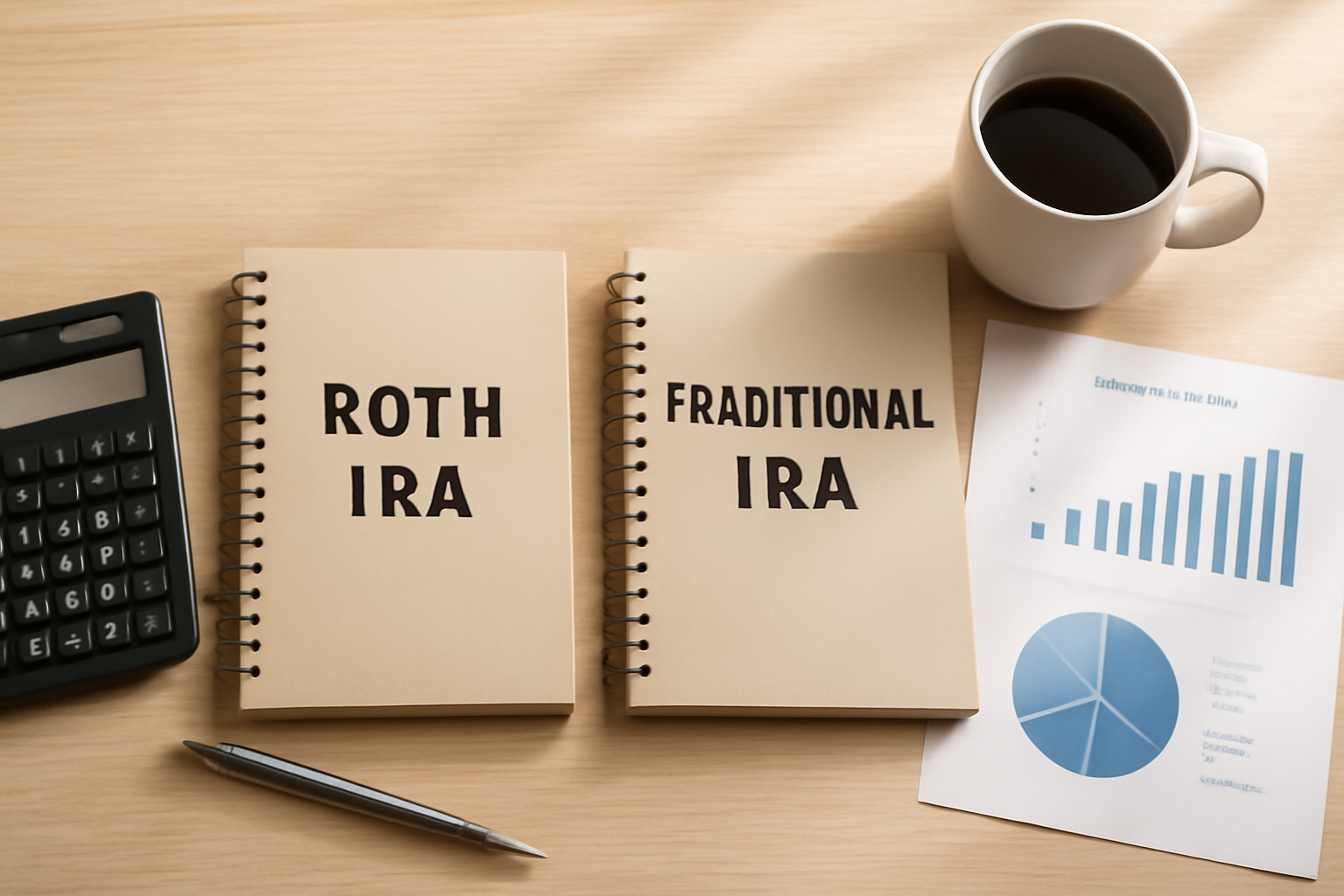
  • Index Funds: The Beginner’s Guide to Smarter Investing

    Index Funds: The Beginner’s Guide to Smarter Investing

    Investors who switched to low-cost index funds saved an average of $170,000 over a 30-year investing career — according to Vanguard’s research on fee impact.

    Introduction

    If you’ve ever felt overwhelmed by the stock market — wondering which stocks to pick, when to buy, or how to avoid losing everything — you’re not alone. According to a 2025 Gallup poll, only 56% of Americans own stocks, and fear of complexity is one of the top reasons people stay on the sidelines.

    Index funds have changed that equation for millions of everyday investors. They’re simple, low-cost, and historically effective — and you don’t need a finance degree or a stockbroker to use them.

    In this guide, you’ll learn exactly what index funds are, how they work, why they’ve outperformed most actively managed funds over time, and how to start investing in them today — even if you’re starting with just $100. Whether you’re building wealth for retirement, saving for a major goal, or just trying to make your money work harder, index funds are worth understanding.

    Before we dive in: this article is for educational purposes only. Always consult a licensed financial advisor before making investment decisions.

    What Is an Index Fund and How Does It Work?

    An index fund is a type of investment fund — either a mutual fund or an ETF (exchange-traded fund) — that tracks a specific market index. An index is essentially a list of securities that represents a portion of the market.

    The most well-known index is the S&P 500, which tracks the 500 largest publicly traded companies in the United States — including Apple, Microsoft, Amazon, and Johnson & Johnson. When you invest in an S&P 500 index fund, you’re buying a tiny slice of all 500 of those companies at once.

    Here’s how it works in plain English:

    • The fund manager doesn’t try to pick winning stocks. Instead, the fund simply mirrors the index.
    • If the S&P 500 goes up 10%, your index fund goes up roughly 10% too.
    • If it drops 15%, your fund drops roughly 15%.

    This is called passive investing — as opposed to active investing, where a manager tries to beat the market by picking individual stocks. According to S&P Global’s SPIVA report, over a 15-year period, more than 90% of actively managed large-cap funds underperformed the S&P 500. That’s a striking number that tells you a lot about why passive investing has gained so much traction.

    Index funds can track all kinds of indexes: total US stock market, international stocks, bonds, real estate (REITs), and more. This gives you broad diversification — meaning your money is spread across hundreds or thousands of companies, reducing the risk that any single company’s failure will devastate your portfolio.

    Key Benefits of Index Funds: Why They Matter for Your Financial Future

    Index funds aren’t just popular because they’re simple. They offer real, measurable financial advantages — especially for long-term investors.

    1. Lower Costs That Compound Over Time

    The most important number in index fund investing isn’t the return — it’s the expense ratio, the annual fee you pay as a percentage of your investment. The average actively managed mutual fund charges around 0.68% per year, according to Morningstar. Many index funds charge 0.03% to 0.10% — or even less.

    That difference might sound tiny, but over time it’s enormous. On a $100,000 portfolio over 30 years at 7% annual growth:

    • At 0.03% expense ratio: you end up with approximately $757,000
    • At 0.68% expense ratio: you end up with approximately $638,000

    That’s a gap of over $119,000 — just from fees. Lower costs mean more of your money stays invested and compounds over time.

    2. Built-In Diversification

    When you buy a single stock, you’re betting on one company. If that company collapses, you could lose everything you invested in it. An index fund holding 500 companies means no single company’s bad news can ruin your portfolio.

    3. Tax Efficiency

    Because index funds buy and sell infrequently, they generate fewer taxable events — meaning you generally owe less in capital gains taxes each year compared to actively managed funds. This is especially important if you’re investing in a taxable brokerage account.

    4. Consistent, Market-Matching Returns

    The S&P 500 has historically returned an average of roughly 10% per year before inflation over the long term, according to data from the Federal Reserve Bank of St. Louis. No investment is guaranteed to repeat this, but index funds give you exposure to that long-term market performance without trying to time or beat it.

    How to Start Investing in Index Funds: Step-by-Step

    Getting started is more straightforward than most people think. Here’s a practical step-by-step process:

    Step 1: Build Your Financial Foundation First

    Before you invest a single dollar in the market, make sure you have a solid emergency fund in place — ideally 3 to 6 months of living expenses in a high-yield savings account. If you don’t have that cushion yet, read our guide on how to build an emergency fund that actually works before moving forward. Investing without a safety net can force you to sell at a loss if an unexpected expense hits.

    Step 2: Choose the Right Account Type

    Where you hold your index funds matters as much as which funds you pick:

    • 401(k) or 403(b): If your employer offers a match, contribute at least enough to get the full match first. That’s free money — a 100% return before the market even opens.
    • Roth IRA: In 2026, you can contribute up to $7,000 per year ($8,000 if you’re 50 or older). Contributions are made with after-tax dollars, and qualified withdrawals in retirement are completely tax-free. This is one of the most powerful long-term investing tools available. Compare Roth vs. Traditional IRA here.
    • Traditional IRA: Contributions may be tax-deductible now, with taxes due at withdrawal. Same contribution limits as the Roth IRA.
    • Taxable Brokerage Account: No contribution limits, but no special tax advantages either. Good for money you may need before retirement age.

    Step 3: Select a Brokerage

    Major platforms like Fidelity, Vanguard, and Charles Schwab offer index funds with very low expense ratios and no trading commissions. Fidelity even offers zero expense ratio index funds (like FZROX) for accounts held directly with them.

    Step 4: Choose Your Index Funds

    A simple, beginner-friendly approach used by many financial planners is the three-fund portfolio:

    1. A US total stock market index fund (e.g., VTSAX or FSKAX)
    2. An international stock market index fund (e.g., VTIAX or FZILX)
    3. A US bond market index fund (e.g., VBTLX or FXNAX)

    Your allocation between these three depends on your age, risk tolerance, and time horizon. Generally speaking, the younger you are, the more you can afford to hold in stocks and less in bonds.

    Step 5: Set Up Automatic Contributions

    The most effective thing you can do is automate your investing. Set up a recurring transfer so money moves from your paycheck or bank account into your investment account on a set schedule. This strategy — called dollar-cost averaging — means you buy more shares when prices are low and fewer when prices are high, smoothing out the impact of market volatility over time.

    Costs, Fees, and Risks You Need to Know

    Index funds are low-cost — but they’re not free, and they’re not risk-free. Here’s what to watch:

    Expense Ratios

    Always check the expense ratio before buying any fund. Anything under 0.10% is excellent. Above 0.50% should raise a red flag for a passively managed fund — at that point you may as well consider an actively managed option.

    Market Risk

    Index funds go up and down with the market. During the 2008 financial crisis, the S&P 500 lost about 38% of its value in a single year. During the COVID crash in March 2020, it dropped about 34% in just five weeks. If you need your money in less than 3 to 5 years, the stock market is generally not the right place for it.

    No Downside Protection

    Unlike some other products, index funds don’t shield you from market drops. What they do offer is the confidence that the market has historically recovered from every major downturn — but that’s history, not a guarantee of future results.

    Taxable Account Implications

    In a taxable brokerage account, dividends and capital gains distributions are taxed in the year they’re received — even if you reinvest them. Keep this in mind when deciding which accounts to hold which funds in, a concept called asset location.

    Common Mistakes to Avoid

    Index fund investing is simple, but not foolproof. Here are the most costly mistakes beginners make:

    Mistake 1: Panic-Selling During Market Downturns

    This is the #1 wealth-destroyer for individual investors. When the market drops 20%, it feels urgent to sell and protect what you have left. But selling locks in your losses — and most investors miss the recovery by staying on the sidelines too long. DALBAR’s 2024 Quantitative Analysis of Investor Behavior found that the average equity fund investor underperformed the S&P 500 by more than 3% annually over 30 years — almost entirely due to emotional buying and selling. Stay the course.

    Mistake 2: Ignoring Your Asset Allocation

    If you set a target of 80% stocks and 20% bonds and never rebalance, a bull market could shift you to 95% stocks without you realizing it — exposing you to more risk than you intended. Review and rebalance your portfolio at least once a year.

    Mistake 3: Chasing Performance

    Every year, some sector or fund crushes it — tech in 2023, energy in 2022. It’s tempting to pile in. But by the time a trend is obvious, it’s usually near its peak. Index funds work best when you stop trying to predict what’s next and simply stay diversified.

    Mistake 4: Skipping Tax-Advantaged Accounts

    Investing in index funds through a taxable account before maxing out your 401(k) or IRA is a costly sequence error. Tax-deferred or tax-free growth inside retirement accounts can be worth tens of thousands of dollars over your investing career. Prioritize those first.

    Mistake 5: Buying Too Many Index Funds

    More funds doesn’t mean more diversification. If you own a US total market index fund, you already own large-cap, mid-cap, and small-cap US companies. Adding an S&P 500 fund on top of that just doubles your exposure to the same large-cap companies. Keep it simple.

    Alternatives to Index Funds

    Index funds are an excellent default — but they’re not the only option. Here are three alternatives worth knowing:

    1. Actively Managed Mutual Funds

    Pros: Potential to outperform the market; professional management.
    Cons: Higher fees (typically 0.50% to 1.5%+); most underperform their benchmark over 10+ years; less tax-efficient.
    Best for: Investors who believe in active management and are willing to research fund managers carefully.

    2. Target-Date Funds

    Pros: Completely hands-off; automatically shift from stocks to bonds as you approach your target retirement year.
    Cons: Slightly higher expense ratios than pure index funds; one-size-fits-all allocation may not match your exact risk tolerance.
    Best for: Investors who want a true set-it-and-forget-it approach inside their 401(k) or IRA.

    3. Individual Stocks

    Pros: Potential for outsized gains; more control over what you own.
    Cons: Far higher risk; requires significant research and ongoing monitoring; most individual investors underperform the index.
    Best for: Experienced investors who have already built a diversified index fund base and want to allocate a small portion (typically 5-10%) to individual companies they understand well.

    Frequently Asked Questions

    How much money do I need to start investing in index funds?

    Many index funds have no minimum investment when held through a brokerage like Fidelity or Schwab — you can start with as little as $1. Some Vanguard mutual funds require a $1,000 minimum, though Vanguard ETFs can be purchased for the price of a single share. There’s no reason to wait until you have a large sum.

    Are index funds safe?

    No investment is entirely safe. Index funds carry market risk — meaning your balance will fluctuate with the market. However, broad-market index funds are considered among the lower-risk equity investments because of their diversification. They are not FDIC-insured like a bank account, so it’s possible to lose money, especially in the short term.

    How are index funds taxed?

    Inside a Roth IRA, growth is tax-free. Inside a Traditional IRA or 401(k), taxes are deferred until withdrawal. In a taxable account, you’ll owe taxes on dividends (usually 15-20% for qualified dividends if you’re in a mid-to-high bracket) and on capital gains when you sell. The IRS taxes long-term capital gains (assets held over a year) at lower rates than short-term gains.

    What’s the difference between an index fund and an ETF?

    Both can track the same index, but ETFs trade like stocks throughout the day, while traditional mutual fund index funds are priced once daily after the market closes. For most long-term investors, this distinction doesn’t matter much. ETFs may have a slight edge in taxable accounts due to their structure’s tax efficiency.

    Should I invest in index funds if I have debt?

    It depends on the interest rate. High-interest debt — like credit cards charging 20%+ APR — should generally be paid off before investing, since it’s nearly impossible to consistently earn more than that in the market. Low-interest debt like a mortgage (5-7% range) is less clear-cut, and many financial planners suggest doing both simultaneously. If you’re carrying high-interest debt, read our guide on using personal loans for debt consolidation as a potential first step.

    Conclusion: Start Simple, Stay Consistent

    Index fund investing isn’t glamorous. There’s no hot tip, no secret formula, no market-beating strategy to uncover. That’s exactly why it works for so many people.

    The formula is straightforward: choose a low-cost, diversified index fund, invest consistently over time inside the right type of account, and resist the urge to panic when markets get rough. Time and compounding do the heavy lifting.

    Your next step: open a Roth IRA or contribute more to your 401(k) this week, even if it’s just $50 or $100 more per month. Small, consistent actions compound into life-changing results over 20 or 30 years.

    And remember — while this guide gives you a strong foundation, your specific situation may call for personalized advice. Working with a fee-only financial advisor can help you build a strategy tailored to your goals, timeline, and tax situation.


    Financial Disclaimer: This article is for educational purposes only and does not constitute financial, tax, or investment advice. Always consult a licensed financial advisor, CPA, or attorney before making financial decisions.

  • Roth IRA vs Traditional IRA: Which One Wins?

    Roth IRA vs Traditional IRA: Which One Wins?

    Choosing the wrong IRA could cost you tens of thousands of dollars in unnecessary taxes over your lifetime — here’s how to pick the right one.

    Introduction

    According to the Investment Company Institute, only about 36% of U.S. households owned an IRA as of 2025 — and many who do have one aren’t sure if they chose the right type. That gap between having an account and having the right account can mean a dramatically different retirement outcome.

    The two most common IRAs — the Roth IRA and the Traditional IRA — both offer powerful tax advantages. But they work in opposite ways, and picking the wrong one for your situation is a costly mistake that’s hard to undo.

    In this guide, you’ll learn exactly how each IRA works, who benefits most from each type, the step-by-step process for opening one, the fees and risks involved, the most common errors people make, and smart alternatives to consider. By the end, you’ll have a clear framework to decide which account belongs in your retirement strategy.

    This is for educational purposes — consult a licensed financial advisor for personalized guidance.


    What Is a Roth IRA vs. a Traditional IRA — and How Do They Work?

    An Individual Retirement Account (IRA) is a tax-advantaged savings account you open on your own — separate from any employer plan like a 401(k). Both Roth and Traditional IRAs allow your investments to grow without being taxed each year. The critical difference is when you pay taxes.

    Traditional IRA: You contribute pre-tax dollars (meaning you may get a tax deduction now), your money grows tax-deferred, and you pay ordinary income taxes when you withdraw in retirement. Think of it as: pay taxes later.

    Roth IRA: You contribute after-tax dollars (no deduction now), your money grows tax-free, and qualified withdrawals in retirement are completely tax-free. Think of it as: pay taxes now, never again.

    For 2026, the IRS sets the annual contribution limit at $7,000 per person (or $8,000 if you’re age 50 or older — this is called the "catch-up contribution"). This limit applies to your total IRA contributions combined, not per account.

    Both accounts accept the same types of investments: stocks, bonds, ETFs, index funds, mutual funds, and more. The account itself is just a tax wrapper — what you put inside it is up to you.


    Key Benefits — Why Each IRA Matters for Your Financial Future

    The Federal Reserve’s 2025 Survey of Consumer Finances found that the median retirement savings for Americans aged 55-64 was approximately $185,000 — far below what most financial planners recommend. Choosing the right IRA structure can meaningfully close that gap over time.

    Why the Roth IRA Stands Out

    • Tax-free growth and withdrawals: If you invest $7,000 per year starting at age 35 and it grows to $400,000 by retirement, you owe zero federal tax on that $400,000 when you withdraw it.
    • No Required Minimum Distributions (RMDs): Traditional IRAs force you to start withdrawing money at age 73 (per current IRS rules). Roth IRAs have no such requirement during your lifetime — giving you full control over your money.
    • Flexible access to contributions: You can withdraw your original contributions (not earnings) at any time, penalty-free. This makes it a secondary emergency layer for disciplined savers.
    • Better for estate planning: Heirs who inherit a Roth IRA generally receive funds tax-free, making it a powerful wealth transfer tool.

    Why the Traditional IRA Still Wins for Many People

    • Immediate tax deduction: If you qualify, contributions reduce your taxable income today. A $7,000 contribution in the 22% tax bracket saves you $1,540 in federal taxes right now.
    • Higher effective contribution: Because you save on taxes now, your real cost of contributing is lower — leaving more cash in your pocket today.
    • No income limits for contributing: Unlike the Roth IRA, anyone with earned income can contribute to a Traditional IRA (though the deductibility phases out at higher incomes if you have a workplace plan).

    How to Get Started — Step-by-Step Guide to Opening Your IRA

    Opening an IRA takes less than 30 minutes online. Here’s how to do it correctly:

    1. Check your eligibility. To contribute to either IRA, you must have earned income (wages, salary, self-employment income) equal to or greater than your contribution amount. For a Roth IRA, your Modified Adjusted Gross Income (MAGI) must be below the IRS phase-out range — in 2026, that’s $146,000–$161,000 for single filers and $230,000–$240,000 for married filing jointly. Above those limits, you cannot contribute directly to a Roth IRA.
    2. Choose your IRA type. Use this general rule: if you expect to be in a higher tax bracket in retirement than you are today, a Roth IRA generally wins. If you expect to be in a lower bracket in retirement, a Traditional IRA often makes more sense.
    3. Select a brokerage or financial institution. Major platforms like Fidelity, Vanguard, Schwab, and Betterment all offer IRAs with no account minimums and low-cost investment options. Look for zero trading commissions and access to low-expense-ratio index funds.
    4. Open the account online. You’ll need your Social Security number, a government-issued ID, your bank account information for funding, and basic personal details. Most applications take 10–20 minutes.
    5. Fund your account. Link your bank account and make your contribution. You have until the tax filing deadline (typically April 15) to make a prior-year IRA contribution. So in April 2026, you could still contribute for the 2025 tax year.
    6. Choose your investments. Don’t leave your money sitting in cash. At a minimum, consider a broad-market index fund or a target-date fund aligned to your expected retirement year. Leaving contributions uninvested is one of the most common and costly IRA mistakes.
    7. Automate contributions. Set up a monthly automatic transfer — even $200–$500 per month — so you stay consistent without relying on willpower.

    Costs, Fees, and Risks to Know Before You Open an IRA

    IRAs are generally low-cost, but there are fees and penalties that can quietly erode your returns if you’re not careful.

    Early Withdrawal Penalties

    If you withdraw earnings from a Traditional IRA before age 59½, you’ll pay ordinary income tax plus a 10% early withdrawal penalty. For a Roth IRA, withdrawing earnings before age 59½ (and before the account is 5 years old) also triggers the 10% penalty plus taxes on the earnings portion. Your original Roth contributions can always be withdrawn penalty-free, however.

    Investment Fees

    The investments inside your IRA carry their own costs. Actively managed mutual funds often charge expense ratios of 0.5%–1.5% annually. Index funds at Vanguard or Fidelity can cost as little as 0.03%–0.10%. On a $300,000 portfolio, that difference could amount to $4,000+ per year. Always check the expense ratio before choosing a fund.

    RMD Tax Risk

    Traditional IRA holders must begin taking Required Minimum Distributions at age 73. These withdrawals are taxed as ordinary income and can push you into a higher tax bracket, potentially increasing your Medicare premiums (through a surcharge called IRMAA) and making more of your Social Security benefits taxable.

    Contribution Limits and Excess Contributions

    Contributing more than the IRS limit results in a 6% excise tax on the excess amount for each year it remains in the account. Track your contributions carefully, especially if you have multiple IRAs.


    Common Mistakes to Avoid

    These are the errors that consistently cost Americans the most money when managing their IRAs:

    Mistake 1: Choosing Based on Today’s Tax Rate Alone

    Many people default to a Traditional IRA for the immediate deduction without modeling their future tax situation. If you’re currently in the 12% bracket but expect to be in the 22% or 24% bracket in retirement (from Social Security, RMDs, or investment income), you’ll pay more taxes overall. Run the numbers — or ask a CPA to help you compare scenarios.

    Mistake 2: Not Contributing Because the Market Seems "Too High"

    Timing the market inside an IRA is as problematic as anywhere else. The point of consistent annual contributions is to benefit from dollar-cost averaging — buying more shares when prices are low and fewer when prices are high. Missing years of contributions also means losing years of compound growth that can never be recaptured.

    Mistake 3: Leaving Contributions in Cash

    This is more common than you’d think. People open the account, transfer money, and never actually invest it. The money sits in a cash or money market position earning minimal interest. Your IRA doesn’t automatically invest your deposits — you must actively choose your investments.

    Mistake 4: Ignoring the Backdoor Roth IRA Option

    If your income exceeds the Roth IRA limits, many high earners don’t realize they can still access a Roth IRA through a strategy called the "Backdoor Roth IRA." This involves contributing to a non-deductible Traditional IRA and then converting it to a Roth. It’s legal, IRS-acknowledged, but requires careful execution — particularly if you have existing pre-tax IRA balances (due to the "pro-rata rule"). Always consult a tax professional before attempting this.

    Mistake 5: Not Naming a Beneficiary

    If you die without a named beneficiary on your IRA, the account may go through probate and your heirs could lose significant assets to delays and legal costs. Log in to your IRA provider today and confirm your beneficiary designation is current.


    Alternatives to Consider

    If an IRA isn’t the perfect fit — or you want to maximize your retirement savings beyond the $7,000 annual IRA limit — here are three strong alternatives:

    1. 401(k) or 403(b) Through Your Employer

    Pros: Much higher contribution limits — $23,500 in 2026 (plus $7,500 catch-up if you’re 50+). Many employers offer matching contributions, which is essentially free money. Reduces taxable income significantly.
    Cons: Limited investment options chosen by your employer. You typically can’t move funds while still employed without penalties.
    Best for: Anyone with an employer match should contribute at least enough to capture the full match before funding an IRA.

    2. Health Savings Account (HSA)

    Pros: Triple tax advantage — contributions are tax-deductible, growth is tax-free, and withdrawals for qualified medical expenses are tax-free. After age 65, you can withdraw for any reason (just paying ordinary income tax, like a Traditional IRA).
    Cons: Must be enrolled in a High-Deductible Health Plan (HDHP). Limited to healthcare expenses penalty-free before 65.
    Best for: Healthier individuals who can afford to invest their HSA contributions rather than spend them on current medical costs.

    3. Taxable Brokerage Account

    Pros: No contribution limits, no income restrictions, no withdrawal penalties. Extremely flexible.
    Cons: No upfront tax deduction, no tax-free growth. Capital gains taxes apply when you sell investments.
    Best for: Investors who have maxed out their IRA and 401(k) and want additional long-term investment exposure. Also useful for goals before retirement age, since there’s no early withdrawal penalty.


    Frequently Asked Questions

    Can I have both a Roth IRA and a Traditional IRA at the same time?

    Yes. You can hold both account types simultaneously. However, the $7,000 annual contribution limit (or $8,000 if 50+) applies to your total IRA contributions across all accounts combined — not per account. So you could put $3,500 in each, but not $7,000 in each.

    What happens to my IRA if I lose my job or change employers?

    Your IRA is completely independent of your employer — it’s yours and stays with you regardless of where you work. If you have a 401(k) from a former employer, you can roll it over into an IRA to consolidate your accounts and gain more investment flexibility.

    At what age should I switch from a Roth to a Traditional IRA?

    There’s no universal age trigger — it depends on your expected tax bracket in retirement. Generally speaking, younger workers in lower tax brackets benefit more from a Roth IRA, while mid-career or peak-earning professionals in high brackets may benefit more from the Traditional IRA’s upfront deduction. Many financial advisors suggest diversifying between both types to hedge against future tax uncertainty.

    Can I contribute to an IRA if I’m self-employed?

    Yes. Self-employed individuals can contribute to both Roth and Traditional IRAs as long as they have net self-employment income. They may also qualify for additional accounts like a SEP-IRA (which allows contributions up to 25% of net self-employment income, up to $69,000 in 2026) or a Solo 401(k), which offer significantly higher limits.

    What if I accidentally over-contribute to my IRA?

    You have until your tax filing deadline (including extensions) to withdraw the excess contribution and any associated earnings. If you miss that deadline, you’ll owe a 6% excise tax on the excess for each year it remains. Contact your IRA provider immediately if you realize you’ve over-contributed.


    Conclusion — What’s Your Next Move?

    The Roth IRA vs. Traditional IRA decision comes down to one core question: will your tax rate be higher now or in retirement? If you’re early in your career or in a lower tax bracket today, the Roth IRA’s tax-free growth is often the stronger long-term play. If you’re in your peak earning years and want to reduce your taxable income now, the Traditional IRA’s upfront deduction may be more valuable.

    In most cases, the best answer isn’t all-or-nothing — it’s strategic diversification between tax-deferred and tax-free accounts to give yourself flexibility no matter what tax rates look like in 20 or 30 years.

    Your most important action today: open the account if you haven’t, fund it consistently, and invest the money — don’t let it sit in cash. Even $100 per month invested consistently from age 35 can grow into a meaningful retirement cushion over time.

    And as always, consult a licensed financial advisor or CPA to map out a strategy specific to your income, tax situation, and retirement goals.


    Financial Disclaimer: This article is for educational purposes only and does not constitute financial, tax, or investment advice. Always consult a licensed financial advisor, CPA, or attorney before making financial decisions.